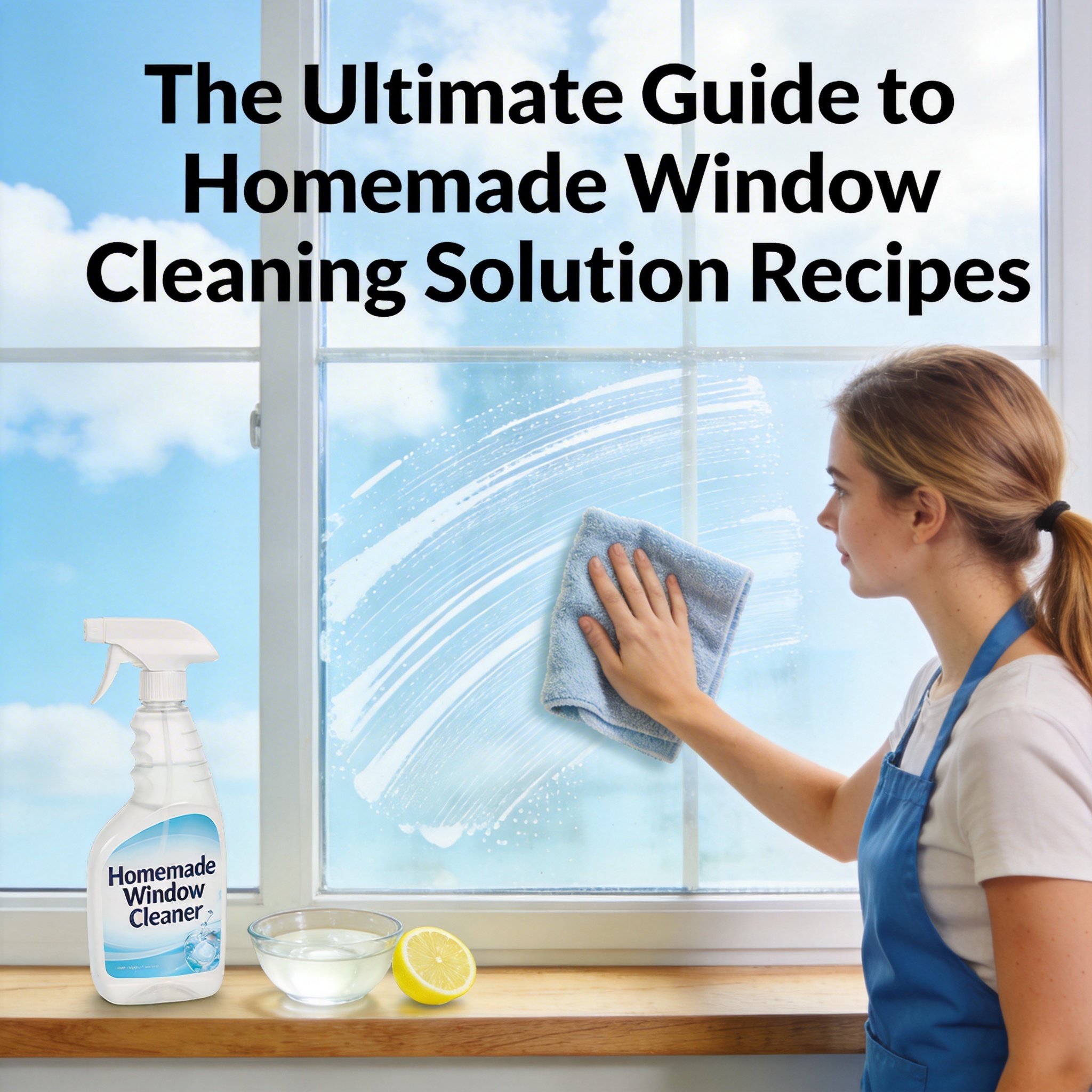
As a professional blogger with a decade of experience writing about home maintenance and DIY solutions, I’ve discovered that one of the most satisfying household tasks is achieving perfectly clean, streak-free windows. The secret? It’s not always about expensive commercial products. In fact, some of the most effective window cleaning solutions can be made right in your kitchen with ingredients you probably already have. This comprehensive guide will walk you through the best homemade window cleaning solution recipes, their benefits, and professional techniques that will leave your windows sparkling without breaking the bank or harming the environment.
Why Choose Homemade Window Cleaning Solutions?
Before diving into recipes, it’s worth understanding why homemade solutions have gained such popularity among homeowners and cleaning professionals alike. Commercial window cleaners often contain harsh chemicals like ammonia, which can cause respiratory irritation, skin irritation, and may damage certain window frames or finishes over time. In contrast, homemade solutions are typically gentler, safer for families with children or pets, and more environmentally friendly.
Additionally, homemade solutions are incredibly cost-effective. A single bottle of commercial window cleaner can cost anywhere from $3 to $8, while the ingredients for homemade solutions cost pennies per use. For example, a gallon of white vinegar costs about $3-4 and can make dozens of cleaning solutions. Beyond the economic and health benefits, many DIY enthusiasts find satisfaction in creating effective cleaning products from natural ingredients, reducing plastic waste from disposable cleaner bottles, and customizing solutions to their specific needs.
Essential Ingredients for Effective Window Cleaning Solutions
Creating effective window cleaning solutions requires understanding the properties of common household ingredients. The most frequently used components in homemade recipes include:
- White Vinegar: An acid that cuts through grease, mineral deposits, and hard water stains
- Dish Soap: Breaks down grime and provides gentle cleaning action without leaving residue
- Rubbing Alcohol: Evaporates quickly, preventing streaks and disinfecting surfaces
- Ammonia: Powerful cleaner for tough grime (use with caution and proper ventilation)
- Lemon Juice: Natural acid that cuts grease and leaves a fresh scent
- Cornstarch: Gentle abrasive for stubborn spots without scratching
Understanding the Science Behind Window Cleaning
To truly master window cleaning, it’s helpful to understand the science behind how these ingredients work. Windows get dirty from a combination of environmental factors including dust, pollen, water spots, and oily residues. The key to effective cleaning is not just removing visible dirt but also preventing streaks and ensuring the surface dries evenly.
Vinegar’s acidity works by breaking down mineral deposits and hard water stains that commonly accumulate on windows. The acetic acid in vinegar reacts with calcium and magnesium deposits, dissolving them for easy removal. Meanwhile, dish soap contains surfactants that surround and lift dirt particles, allowing them to be rinsed away. Alcohol’s fast evaporation rate makes it excellent for preventing streaks, as it doesn’t leave behind water droplets as it dries.
Top 5 Homemade Window Cleaning Solution Recipes
1. The Classic Vinegar Solution
This is perhaps the most well-known and effective homemade window cleaner, praised for its simplicity and performance.
Ingredients:
- 2 cups water
- ½ cup white vinegar
- Optional: 10-15 drops of essential oil (like lavender or citrus) for scent
Instructions:
- Combine water and vinegar in a spray bottle
- If using, add essential oil and shake gently to mix
- Apply to windows and wipe with a microfiber cloth or newspaper
This solution works exceptionally well on most window types and is particularly effective against hard water stains. The vinegar smell dissipates quickly as it dries, and the optional essential oils can leave a pleasant fragrance. For extremely stubborn mineral deposits, you can increase the vinegar ratio to ¾ cup, though this may require more thorough rinsing to prevent potential streaking on sensitive glass.
2. The Dish Soap and Water Powerhouse
When dealing with oily fingerprints, kitchen grease, or general grime, a simple dish soap solution can be surprisingly effective.
Ingredients:
- 2 cups water
- ¼ cup gentle dish soap (avoid soaps with added bleach or degreasers)
Instructions:
- Fill spray bottle with water
- Add dish soap (too much can leave residue)
- Gently shake to mix without creating excessive suds
- Spray on windows and wipe clean with a microfiber cloth
This solution is particularly effective for kitchen windows or those with heavy grease buildup. The key is using the right amount of dish soap—too little won’t effectively cut grease, while too much can leave a soapy residue. For best results, follow up with a quick wipe using a solution of 1 part vinegar to 10 parts water to remove any soap film and ensure streak-free results.
3. The Fast-Drying Alcohol Solution
For professional-level results with minimal streaking, an alcohol-based solution is hard to beat, especially in humid conditions.
Ingredients:
- 1 cup water
- 1 cup rubbing alcohol (70% isopropyl alcohol)
- ½ teaspoon dish soap
Instructions:
- Combine all ingredients in a spray bottle
- Gently shake to mix
- Apply to windows and wipe immediately with a lint-free cloth
The alcohol in this solution evaporates very quickly, which is why it’s so effective at preventing streaks. It also has disinfectant properties, making it an excellent choice for bathroom windows or areas where hygiene is a concern. The dish soap helps break down stubborn grime while the alcohol ensures rapid drying. This solution works particularly well on tinted windows, as it won’t damage the tint like ammonia-based cleaners might.
4. The Heavy-Duty Ammonia Solution
Warning: This solution is powerful but should be used with caution. Always ensure proper ventilation and wear gloves when handling ammonia.
Ingredients:
- 1 cup water
- 1 cup ammonia
- ½ cup rubbing alcohol
Instructions:
- Work in a well-ventilated area
- Combine ingredients in a spray bottle
- Apply to heavily soiled windows
- Allow to sit for 1-2 minutes on stubborn stains
- Wipe clean with a microfiber cloth
This solution is reserved for extremely dirty windows or situations where other methods have failed. Ammonia is particularly effective at cutting through grease and grime that has built up over time. However, it’s important to note that ammonia can damage certain window frames and is not recommended for tinted