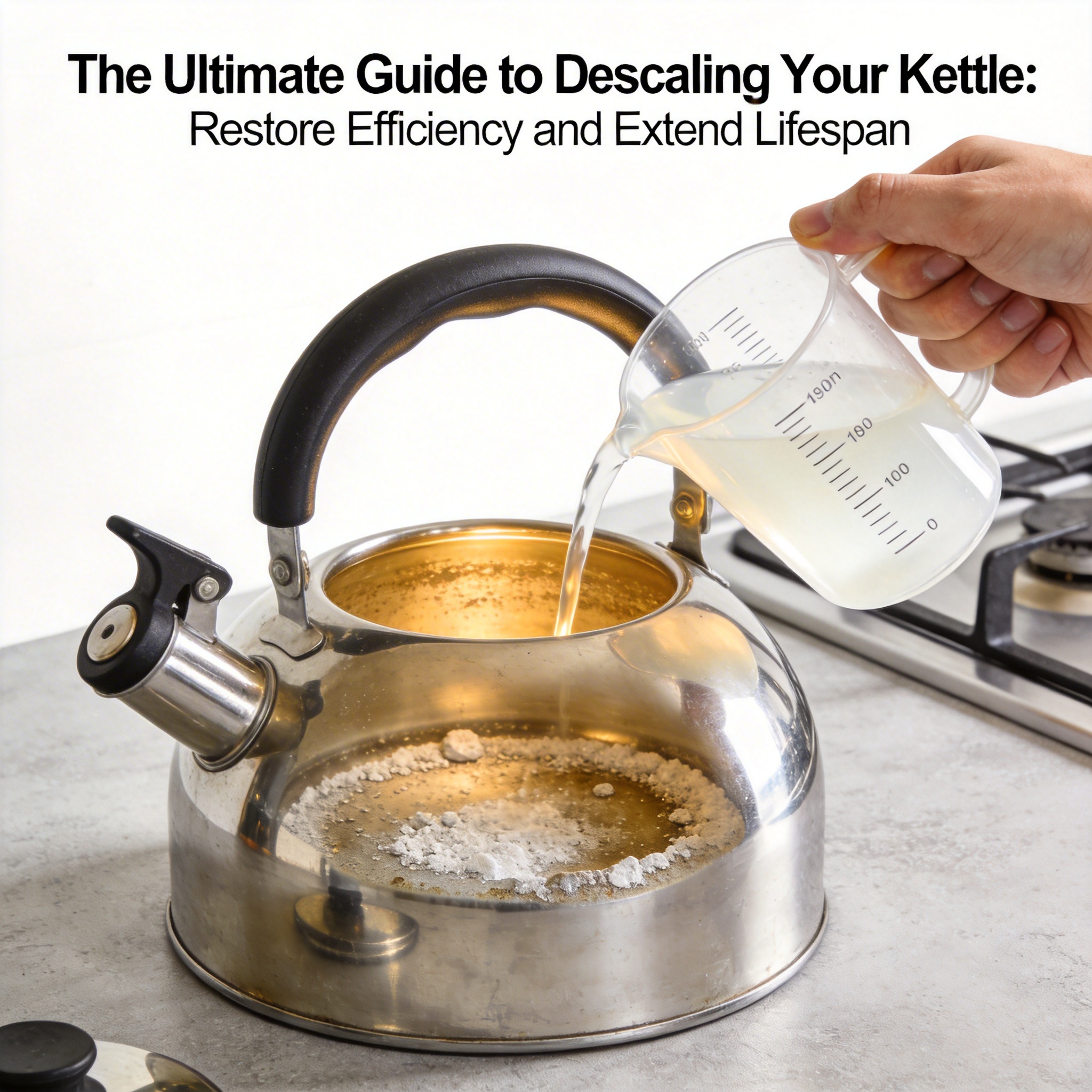
Over time, the kettle that delivers your morning cup of tea or coffee can develop an unwelcome white or chalky buildup inside. This stubborn residue, known as limescale, is more than just an eyesore—it can significantly impact your kettle’s performance, the taste of your beverages, and even its longevity. Whether you’re a tea connoisseur, a coffee enthusiast, or simply someone who relies on their kettle for daily hot water, understanding how to properly descale this essential kitchen appliance is crucial. In this comprehensive guide, we’ll explore everything you need to know about identifying limescale, choosing the right descaling method, step-by-step procedures, and prevention techniques to keep your kettle running like new for years to come.
Understanding Limescale: The Silent Enemy of Your Kettle
Limescale is a hard, chalky deposit primarily composed of calcium carbonate that forms when hard water is heated. When water containing high mineral content is boiled, the minerals are left behind as the water evaporates, gradually building up on the heating element and inner surfaces of your kettle. This natural process is particularly prevalent in areas with hard water, which contains higher concentrations of dissolved minerals like calcium and magnesium.
The formation of limescale isn’t just a cosmetic issue—it has several practical consequences that affect both your kettle and your daily routine. First and foremost, limescale acts as an insulator between the heating element and the water, forcing your kettle to work harder and use more energy to boil water. This inefficiency can lead to increased electricity bills and a shorter lifespan for your appliance. Additionally, the buildup can cause uneven heating, resulting in hot spots that may damage the kettle’s interior over time. Perhaps most importantly, limescale can affect the taste of your hot beverages, introducing a metallic or bitter flavor that can ruin your carefully brewed tea or coffee.
Recognizing the Signs: When Your Kettle Needs Attention
Before diving into the descaling process, it’s essential to recognize when your kettle needs attention. Identifying the early signs of limescale buildup can help you address the issue before it becomes severe, ensuring optimal performance and extending the life of your appliance.
Visual Indicators
The most obvious sign of limescale is visible buildup on the interior surfaces of your kettle. Look for white, chalky deposits on the heating element, the bottom of the kettle, and potentially on the spout. In advanced cases, you might notice thick, crusty layers that resemble coral formations. Another visual cue is the presence of floating particles in your water when boiling, which are small pieces of dislodged limescale.
Performance Issues
As limescale accumulates, you’ll likely notice several performance-related symptoms. Your kettle may take longer to boil water than it used to, or it might make unusual gurgling or cracking sounds during operation. You might also observe that the kettle automatically shuts off before the water reaches a full boil, or that it fails to turn off at all—both indicators that the limescale is interfering with the temperature sensor. In severe cases, the kettle may struggle to boil water completely, no matter how long it’s left on.
Taste and Odor Changes
Limescale can significantly impact the quality of your hot beverages. If your tea or coffee tastes metallic, bitter, or unusually flat, it could be due to mineral deposits leaching into your water. Similarly, you might notice a strange odor when boiling water, especially if the limescale buildup has been present for an extended period. Some people also report that beverages made with water from a scaled kettle have a slightly cloudy appearance, which can be off-putting.
Descaling Methods: Choosing the Right Approach
When it comes to descaling your kettle, you have several options ranging from commercial products to natural household remedies. Each method has its advantages and considerations, so it’s important to choose one that aligns with your preferences, budget, and the severity of the limescale buildup.
Commercial Descalers
Commercial descaling solutions are specifically formulated to break down mineral deposits and are often the most effective option for severe limescale buildup. These products typically contain strong acids like citric acid, phosphoric acid, or sulfamic acid that dissolve calcium carbonate quickly and efficiently. They come in various forms including liquids, powders, and tablets, with most designed specifically for kettles and coffee machines.
The advantages of commercial descalers include their potency, ease of use, and consistent results. They’re also typically fast-acting, requiring minimal soaking time compared to natural remedies. However, they contain chemicals that may raise environmental concerns, and some people prefer to avoid introducing artificial substances into their kitchen appliances. Additionally, commercial descalers can be more expensive than natural alternatives and may require thorough rinsing to ensure no residue remains.
Natural Home Remedies
For those who prefer a more natural approach, several household items can effectively descale kettles with minimal environmental impact. The most popular natural descaling agents include:
- White vinegar: An acidic household staple that effectively breaks down limescale
- Lemon juice: Contains citric acid that dissolves mineral deposits
- Baking soda: A mild abrasive that helps scrub away buildup
- Citric acid powder: A food-grade acid available at grocery stores
Natural remedies are generally safer for the environment, more budget-friendly, and already found in most kitchens. They’re also ideal for regular maintenance descaling rather than severe buildup. However, they may require longer soaking times and more elbow grease compared to commercial products. Some natural remedies, particularly vinegar, can leave a lingering odor that requires thorough rinsing, and in very hard water areas, they may be less effective against heavy mineral deposits.
Specialty Kettle Descalers
Some manufacturers produce descaling products specifically designed for their kettle models. These specialty descalers often come with detailed instructions tailored to the particular design and materials of the kettle. They can be an excellent choice if you’re concerned about compatibility with your specific appliance, especially if it has special coatings or materials that might be sensitive to certain acids.
While these products can be more expensive and may require ordering directly from the manufacturer or authorized retailers, they offer peace of mind knowing you’re using a product tested and recommended for your exact model. They often come in pre-measured doses, reducing the risk of using too much or too little descaling solution.
Step-by-Step Descaling Guide
Regardless of which descaling method you choose, the process generally follows a similar sequence of steps. This detailed guide will walk you through the complete descaling process, from preparation to final rinsing, ensuring you achieve the best results while protecting your kettle.
Preparation: Getting Ready to Descale
Before you begin descaling your kettle, proper preparation is essential for safety and effectiveness. First, unplug your electric kettle and allow it to cool completely if it has been recently used. Remove any detachable parts, such as the lid, filter, or measuring cup, if applicable. Empty any remaining