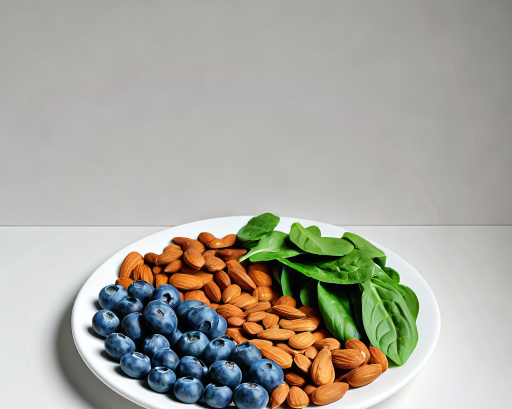
Starting your day with a balanced breakfast is essential for energy, focus, and overall well-being. However, many people avoid breakfast due to concerns about sugar intake. High sugar levels can lead to energy crashes, mood swings, and long-term health issues like obesity and type 2 diabetes. The good news is that there are plenty of delicious low sugar breakfast ideas that will keep you satisfied until lunchtime without the sugar crash.
Why Low Sugar Breakfasts Matter
Sugar’s Impact on Energy Levels: Consuming high amounts of sugar in the morning can cause a rapid spike in blood sugar levels, followed by a sharp drop, leading to fatigue and irritability. A low sugar breakfast helps maintain stable energy levels throughout the day.
Long-Term Health Benefits: Reducing sugar intake has been linked to improved heart health, better weight management, and a lower risk of chronic diseases. By choosing low sugar options, you’re making a positive choice for your long-term health.
Simple Swaps for Success: Making small changes to your breakfast routine can have a big impact. Swapping out sugary cereals for whole grains, using natural sweeteners instead of refined sugar, and incorporating protein and fiber can transform your morning meal into a nutrient-packed powerhouse.
Top Low Sugar Breakfast Recipes
1. Overnight Oats with Chia Seeds and Fresh Fruit
- Ingredients: Rolled oats, chia seeds, unsweetened almond milk, fresh or frozen fruit (e.g., blueberries, bananas), a sprinkle of cinnamon, and a drizzle of honey (optional).
- Preparation: Mix all ingredients in a mason jar and refrigerate overnight. Enjoy cold or warm with additional toppings like nuts or coconut flakes.
- Benefits: High in fiber and protein, this recipe keeps you full and provides steady energy.
2. Avocado Toast with Eggs
- Ingredients: Whole grain bread, mashed avocado, a poached or scrambled egg, salt and pepper to taste.
- Preparation: Toast the bread, spread mashed avocado, top with egg, and season with salt and pepper.
- Benefits: Avocados are rich in healthy fats and fiber, while eggs provide high-quality protein for sustained energy.
3. Greek Yogurt Parfait with Nuts and Berries
- Ingredients: Greek yogurt (plain or vanilla-flavored), mixed berries (strawberries, raspberries, blackberries), chopped nuts (almonds, walnuts), and a touch of maple syrup (optional).
- Preparation: Layer yogurt, berries, and nuts in a glass or bowl. Drizzle with maple syrup if desired.
- Benefits: Greek yogurt is a great source of protein and probiotics, while berries offer antioxidants and fiber.
4. Quinoa Bowl with Tofu and Veggies
- Ingredients: Cooked quinoa, firm tofu (marinated in tamari or soy sauce), roasted vegetables (bell peppers, zucchini, broccoli), and a sprinkle of sesame seeds.
- Preparation: Combine all ingredients in a bowl and dress with a simple vinaigrette made from olive oil and lemon juice.
- Benefits: Quinoa is a complete protein, and tofu provides plant-based protein. Vegetables add vitamins and minerals.
5. Sweet Potato Hash with Smoked Turkey Sausage
- Ingredients: Sweet potatoes, diced onions, garlic, smoked turkey sausage, olive oil, and herbs (parsley, thyme).
- Preparation: Sauté sweet potatoes and onions until tender, then add diced sausage and cook until browned. Season with herbs and serve.
- Benefits: Sweet potatoes are high in fiber and beta-carotene, while turkey sausage provides lean protein.
Tips for Maintaining a Low Sugar Breakfast Routine
Read Labels Carefully: Many packaged foods contain hidden sugars. Look for products labeled “low sugar” or check the ingredient list for terms like “evaporated cane juice,” “brown rice syrup,” or “maltose.”
Use Natural Sweeteners Wisely: Instead of adding table sugar, consider using natural sweeteners like stevia, monk fruit, or a small amount of pure maple syrup. These alternatives can satisfy your sweet tooth without the negative health effects of refined sugar.
Plan Ahead: Prepping ingredients and meals in advance can make sticking to a low sugar diet easier. Make batches of overnight oats or prep veggies for the week to ensure you always have healthy options on hand.
Focus on Whole Foods: Prioritize whole, unprocessed foods in your diet. Whole grains, lean proteins, fruits, vegetables, and healthy fats are not only low in sugar but also packed with essential nutrients that support overall health.
Listen to Your Body: Pay attention to how different foods affect your energy levels and mood. Everyone’s body reacts differently, so experiment with various low sugar breakfast options to find what works best for you.
Conclusion
A low sugar breakfast doesn’t mean sacrificing flavor or enjoyment. With a little creativity and planning, you can enjoy delicious, satisfying meals that fuel your body and mind throughout the day. Whether you prefer savory options like avocado toast or sweet choices like Greek yogurt parfaits, there’s a low sugar breakfast idea that will work for you. Start your day right with these tasty recipes and watch as your energy levels improve and your overall health benefits from this simple change. Remember, consistency is key—make these low sugar breakfasts a regular part of your routine and experience the difference they can make in your daily life.