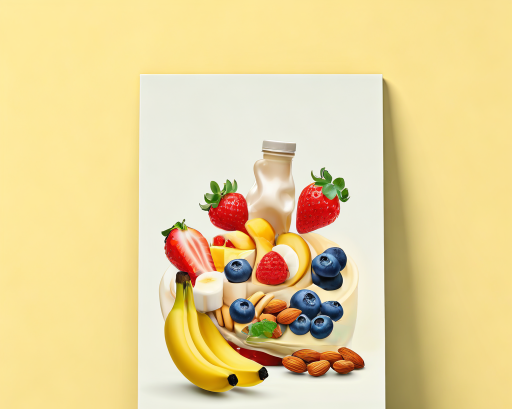
In recent years, the plant-based diet has surged in popularity as more people seek healthier, sustainable, and environmentally friendly eating habits. This dietary approach focuses on consuming primarily plant-derived foods, including fruits, vegetables, whole grains, legumes, nuts, and seeds, while minimizing or eliminating animal products like meat, dairy, and eggs. Beyond its appeal for ethical reasons or weight loss goals, adopting a plant-based diet offers a wide range of health benefits that can transform your well-being from the inside out.
The Science Behind Plant-Based Nutrition
Plant-based diets are rich in essential nutrients that play critical roles in maintaining optimal health. For instance, plants are dense in fiber, which aids digestion, regulates blood sugar levels, and promotes satiety—helping you feel fuller for longer. Fiber also supports gut health by nourishing beneficial bacteria in the microbiome. Additionally, plant foods are packed with antioxidants, vitamins (such as vitamin C and folate), minerals (like potassium and magnesium), and phytochemicals—natural compounds that may protect against chronic diseases.
- Antioxidants: Neutralize free radicals, reducing oxidative stress linked to aging and diseases like cancer and heart disease.
- Vitamins and Minerals: Crucial for immune function, bone health, and metabolic regulation.
- Phytochemicals: Found in colorful plant foods (e.g., berries, leafy greens), these substances have anti-inflammatory and protective properties.
Heart Health and Weight Management
A plant-based diet is strongly associated with improved cardiovascular health. Research shows that individuals following such a diet often experience lower cholesterol levels, reduced risk of high blood pressure, and a decreased likelihood of developing heart disease. This is partly due to the replacement of red and processed meats with plant proteins like lentils, chickpeas, and quinoa—foods low in saturated fats and cholesterol. Moreover, plant-based eating patterns naturally lead to calorie reduction, making it easier to achieve and maintain a healthy weight.
Environmental Impact and Sustainability
Adopting a plant-based diet isn’t just good for your body; it’s also good for the planet. Livestock farming contributes significantly to greenhouse gas emissions, deforestation, and water pollution. By shifting toward plant-based options, you reduce your carbon footprint, conserve natural resources, and support food systems that are more resilient to climate change. Furthermore, plant agriculture requires far less land, water, and energy compared to animal production, making it a cornerstone of sustainable living.
Mental and Emotional Well-Being
Your diet plays a profound role in mental health. Studies suggest that a plant-based diet may alleviate symptoms of depression and anxiety by balancing hormones, improving gut-brain communication, and reducing inflammation. Whole foods rich in B vitamins (found in fortified plant milks and grains) and omega-3 fatty acids (from flaxseeds and walnuts) support mood regulation and cognitive function. Additionally, many individuals report feeling more energetic and focused after transitioning to a plant-rich lifestyle.
Transitioning to Plant-Based Eating
While the benefits of a plant-based diet are compelling, making the switch can seem daunting. Here are some practical tips to ease the transition:
- Start Small: Gradually replace one animal-based meal per day with a plant-based alternative.
- Experiment with Plant Proteins: Incorporate beans, tofu, tempeh, and seitan into your meals for varied protein sources.
- Stock Up on Pantry Staples: Keep whole grains, nuts, seeds, and frozen veggies handy for quick meals.
- Seek Support: Join online communities, consult a nutritionist, or try recipe books tailored to plant-based cooking.
Conclusion: Embrace a Life of Vitality and Sustainability
A plant-based diet is not just a nutritional choice but a holistic lifestyle shift that nurtures both your body and the environment. From boosting heart health and mental clarity to reducing your ecological footprint, the benefits are vast and life-changing. While transitioning may require adjustments, the rewards—better health, increased energy, and a sense of purpose—are well worth the effort. Whether you’re motivated by personal wellness, ethical concerns, or global sustainability, embracing this diet can unlock a future where you thrive in harmony with nature. Start today, and discover the power of plants in your plate!