Blog

  • Unlock Your Mind: Mastering Powerful Memorization Techniques

    Unlock Your Mind: Mastering Powerful Memorization Techniques

    Have you ever walked into a room only to forget why you went in there? Struggled to recall a name moments after hearing it? Or spent hours cramming for an exam, only to draw a blank when the test begins? You’re not alone. Memory is a fundamental aspect of human cognition, yet it often feels elusive and unreliable. The good news is that memory isn’t just a fixed capacity you’re born with; it’s a skill you can cultivate and improve. For centuries, scholars, performers, and professionals have relied on specific memorization techniques to retain vast amounts of information, from complex theories to intricate speeches. These techniques aren’t just for memory athletes; they are practical tools anyone can learn to enhance learning, boost productivity, and reduce frustration. This guide delves into the fascinating world of memory enhancement, exploring scientifically-backed and time-tested strategies to help you unlock your mind’s full potential.

    Why We Forget: Understanding the Memory Process

    Before diving into the techniques themselves, it’s helpful to understand why we forget in the first place. Memory isn’t like a video recorder perfectly capturing everything we experience. Instead, it’s a complex, multi-stage process involving encoding, storage, and retrieval. Forgetting can occur at any of these stages.

    The Stages of Memory

    When we encounter new information, it first enters our sensory memory – a fleeting impression lasting only milliseconds. If we pay attention, this information moves into our short-term (or working) memory. This is our mental workspace, but it has a limited capacity and duration – typically holding only about 7 items for 15-30 seconds. The crucial step is transferring this information into long-term memory, where it can be stored for days, months, or even a lifetime.

    Common Causes of Forgetting

    Several factors contribute to forgetting:

    • Lack of Attention: If we don’t actively focus on information during encoding, it never makes it past sensory memory.
    • Shallow Processing: Simply repeating information (rote memorization) is less effective than deeply processing its meaning.
    • Interference: New information can interfere with old memories (proactive interference), and old information can interfere with learning new things (retroactive interference).
    • Decay: Memories can fade over time if they are not used or reinforced.
    • Retrieval Failure: The information is stored, but we lack the right cues to access it (the “tip-of-the-tongue” phenomenon).

    Understanding these pitfalls helps us appreciate why effective memorization techniques are designed to enhance encoding, strengthen storage, and improve retrieval.

    Core Memorization Techniques: Building Your Memory Toolkit

    Now that we understand the challenges, let’s explore some of the most powerful and widely used memorization techniques. These methods leverage how our brains naturally work, making information more meaningful, organized, and easier to access.

    1. Chunking: Breaking Down the Mountain

    Imagine trying to remember a 12-digit phone number: 177618122022. It’s daunting! Chunking involves grouping individual pieces of information into larger, more manageable units or “chunks.” Instead of 12 separate digits, you might break it down: 1776 (a significant historical year), 1812 (another historical year), 2022 (recent year). Suddenly, you only have three meaningful chunks to remember. This technique leverages the limited capacity of short-term memory. You can chunk information based on:

    • Meaning: Grouping related concepts (e.g., types of plants: trees, shrubs, flowers).
    • Patterns: Identifying sequences or rhythms (e.g., musical phrases).
    • Categories: Organizing items into broader classes (e.g., fruits: apples, bananas, oranges).

    Chunking is fundamental and can be applied to almost any type of information, from numbers and lists to complex concepts.

    2. Mnemonics: The Art of Meaningful Association

    Mnemonics (pronounced “ne-mon-ics”) are memory aids that help us associate new information with something familiar and easier to remember. They often involve imagery, humor, or wordplay. Here are some popular types:

    • Acronyms: Creating a word from the first letters of items in a list. Example: Remembering the colors of the rainbow (Red, Orange, Yellow, Green, Blue, Indigo, Violet) with ROY G. BIV.
    • Acrostics: Creating a sentence where the first letter of each word corresponds to the first letter of the items to remember. Example: “Every Good Boy Deserves Fudge” for the lines of the treble clef in music (E, G, B, D, F).
    • Rhymes and Songs: Setting information to a rhythm or tune. Example: “Thirty days hath September…” to remember the days in each month.
    • Image-Name Association: Linking a person’s name with a visual characteristic. Example: Meeting someone named “Mr. Green” who has striking green eyes.

    Mnemonics work by creating strong, often unusual, associations that make the information more distinctive and easier to retrieve.

    3. The Method of Loci (Memory Palace): Walking Through Your Memories

    This ancient technique, dating back to Greek and Roman orators, is one of the most powerful for memorizing large amounts of ordered information. It involves associating items you want to remember with specific locations within a familiar place, like your home.

    How to Build Your Memory Palace:

  • Choose Your Palace: Select a place you know extremely well (your house, your commute route, a favorite building).
  • Define a Route: Mentally walk through this place and note distinct, sequential locations (e.g., front door, coat rack, living room sofa, bookshelf, kitchen sink).
  • Place Your Items: As you encounter each location on your mental walk, place a vivid image representing the information you want to remember. Make the images bizarre, colorful, and engaging (e.g., to remember “milk” on the sofa, imagine a giant cow lounging there).
  • Take a Walk: To recall the information, mentally retrace your steps through the palace. The locations will trigger the vivid images, which in turn recall the information.
  • The Method of Loci leverages our innate spatial memory and the power of visualization.

    4. Spaced Repetition: Learning Smart, Not Hard

    Cramming might get you through a test tomorrow, but the information is likely gone next week. Spaced repetition is a learning technique that involves reviewing information at increasing intervals over time. This method is based on the psychological “spacing effect” and the “forgetting curve,” which shows that we forget information rapidly after learning, but each review strengthens the memory trace and slows down forgetting.

    Implementing Spaced Repetition:

    • Manual Method: Review new material shortly after learning (e.g., 1 hour later), then again the next day, then a few days later, then a week later, and so on. Use flashcards, marking which ones you know well (review less often) and which you struggle with (review more frequently).
    • Digital Tools: Apps like Anki, Quizlet, or SuperMemo use algorithms to schedule reviews optimally based on your performance, making spaced repetition highly efficient.

    Spaced repetition ensures information moves from short-term to robust long-term memory with minimal, strategically timed effort.

    5. Active Recall: Testing Yourself to Learn

    Passively re-reading notes or textbooks is a common but relatively ineffective study method. Active recall, or retrieval practice, is far more powerful. This involves actively trying to remember information *without* looking at the source material.

    How to Practice Active Recall:

    • Self-Testing: After reading a section, close the book and write down or recite everything you remember.
    • Flashcards: Use flashcards where you actively try to recall the answer before flipping the card.
    • Practice Questions: Answer questions from textbooks, quizzes, or those you generate yourself.
    • Teaching Others: Explaining a concept to someone else (or even pretending to teach) forces you to retrieve and organize the information.

    Active recall strengthens neural pathways associated with the memory and makes retrieval easier in the future. It also helps identify gaps in your knowledge.

    Beyond the Basics: Enhancing Your Memory Further

    While the core techniques above form a strong foundation, several other strategies and lifestyle factors can significantly boost your memory capabilities.

    Visualization and Elaboration

    Our brains are highly attuned to visual information. Transforming abstract concepts into mental pictures makes them more memorable. Similarly, elaboration involves connecting new information to what you already know. Ask yourself: How does this relate to my existing knowledge? What are examples? What are the underlying principles? Creating these rich networks of meaning deepens understanding and aids recall.

    Utilizing Multiple Senses

    Engaging more than one sense during learning can create stronger memory traces. This could involve:

    • Reading Aloud: Combines visual input (seeing the words) with auditory input (hearing them) and kinesthetic input (speaking them).
    • Drawing Diagrams or Mind Maps: Visual representation combined with the physical act of drawing.
    • Using Physical Objects: Handling relevant objects while learning (if possible).

    The more sensory pathways involved, the more “hooks” the memory has.

    Organizing Information

    Structure is key. Organizing information logically makes it easier to encode and retrieve. Techniques include:

    • Outlining: Creating a hierarchical structure of main topics and subtopics.
    • Mind Mapping: Creating a visual diagram with a central idea and branches radiating out to represent related concepts.
    • Grouping and Categorizing: Sorting related items together as discussed in chunking.

    A well-organized body of knowledge is like a well-organized library – much easier to navigate!

    The Role of Lifestyle

    Memory doesn’t operate in a vacuum. Your overall health and well-being profoundly impact cognitive function:

    • Sleep: Critical for memory consolidation – the process where short-term memories are transferred to long-term storage. Aim for 7-9 hours of quality sleep.
    • Exercise: Increases blood flow to the brain and promotes the growth of new neurons. Regular physical activity is linked to better memory.
    • Nutrition: A balanced diet rich in fruits, vegetables, whole grains, lean protein, and healthy fats (like omega-3s found in fish) supports brain health. Stay hydrated!
    • Stress Management: Chronic stress releases cortisol, which can damage brain cells and impair memory. Techniques like meditation, deep breathing, and mindfulness can help manage stress.

    Putting It All Together: A Practical Approach

    Mastering memorization isn’t about using one technique exclusively; it’s about combining them strategically based on the material and your learning style.

    Choosing the Right Technique

    Consider the type of information:

    • Lists or Sequences: Chunking, Mnemonics (Acronyms/Acrostics), Method of Loci.
    • Vocabulary/Facts: Flashcards + Spaced Repetition, Image Association.
    • Concepts/Theories: Elaboration, Visualization, Outlining, Mind Mapping, Teaching/Active Recall.
    • Procedures/Skills: Practice, Active Recall (explaining steps).

    Developing a Memory Practice

    Like any skill, improving memory takes consistent practice:

  • Start Small: Begin with a manageable list or concept. Try using a mnemonic or the Memory Palace for your grocery list.
  • Be Consistent: Dedicate short, regular sessions to practicing techniques rather than marathon cramming.
  • Be Patient and Persistent: Some techniques feel awkward at first. Stick with them. The effort pays off.
  • Review Regularly: Integrate spaced repetition and active recall into your learning routine.
  • Monitor and Adapt: Pay attention to what works best for you. Everyone’s brain is unique.
  • Conclusion: Embracing the Journey of Memory Mastery

    The ability to remember effectively is not a mystical gift bestowed upon a select few; it’s a set of learnable skills grounded in understanding how our minds work. By exploring techniques like chunking, mnemonics, the Memory Palace, spaced repetition, and active recall, you equip yourself with powerful tools to transform information from fleeting impressions into lasting knowledge. Remember to support these techniques with visualization, organization, and a healthy lifestyle encompassing sleep, exercise, nutrition, and stress management.

    Embarking on this journey of memory mastery requires patience and practice. Don’t be discouraged if the first attempts feel challenging. Start small, experiment with different methods, find what resonates with you, and integrate them into your daily learning routines. The rewards are immense: increased confidence, reduced study time, enhanced professional performance, deeper understanding, and the profound satisfaction of knowing you can reliably access the knowledge you’ve acquired. Unlock your mind’s potential – the power to remember is within your reach.
  • Mastering the Art of Reading Comprehension: Your Gateway to Deeper Understanding

    Mastering the Art of Reading Comprehension: Your Gateway to Deeper Understanding

    In an age of infinite scrolling, bite-sized content, and relentless notifications, the ability to truly comprehend what you read has become both a rare superpower and a critical necessity. Reading comprehension is far more than merely decoding words on a page; it is the active process of constructing meaning, connecting ideas, and critically evaluating information. It’s the bridge between passive scanning and genuine understanding, between consuming content and gaining knowledge. Whether you’re a student navigating complex textbooks, a professional staying ahead in your field, or a curious mind exploring the world through literature, honing your comprehension skills is the single most impactful thing you can do to enhance your learning, your career, and your intellectual life.

    This skill is the foundation upon which all formal education is built, yet it is often taken for granted. We assume that because we can read the words, we understand the message. However, true comprehension involves a symphony of cognitive processes: vocabulary knowledge, attention, memory, inference, and synthesis. It’s what allows you to grasp the subtle irony in a novel, follow a technical manual to assemble furniture, understand the implications of a news report, or internalize the key arguments from a business strategy book. As we delve into the components, strategies, and transformative power of effective reading comprehension, remember that this is not an innate talent but a set of muscles that can, and must, be deliberately strengthened.

    Deconstructing the Puzzle: What Exactly is Reading Comprehension?

    To improve reading comprehension, we must first understand its core components. Think of it not as a monolithic skill, but as an interconnected system. When this system works in harmony, meaning flows seamlessly from the text to the reader’s mind.

    The Core Pillars of Understanding

    At its heart, comprehension rests on several foundational pillars:

    • Decoding and Fluency: This is the basic ability to accurately and quickly recognize words. If you struggle to sound out words or read in a slow, halting manner, your working memory becomes overloaded, leaving little mental capacity for understanding the text’s overall meaning.
    • Vocabulary: You cannot understand a text if you don’t know what the words mean. A robust vocabulary is like having a well-stocked toolbox; the more tools you have, the more effectively you can build understanding.
    • Background Knowledge: This is your mental filing cabinet of prior experiences and information. When you read about “the Great Depression,” your understanding is deeply enriched if you already have some context about 20th-century history, economics, or human resilience. New knowledge sticks to old knowledge.
    • Active Engagement: Comprehension is not a spectator sport. It requires the reader to be an active participant—asking questions, making predictions, and connecting the text to their own life and other texts.

    Levels of Comprehension: From Literal to Evaluative

    Comprehension occurs on a spectrum, from surface-level understanding to deep, critical analysis. Educators often break it down into three key levels:

    • Literal Comprehension: This is the “who, what, where, when” level. It involves understanding the explicitly stated facts and details in the text. Answering a question like “What color was the character’s car?” requires literal comprehension.
    • Inferential Comprehension: This is the “reading between the lines” stage. Here, you use clues from the text and your own knowledge to draw conclusions, make predictions, and understand implied meanings. Figuring out a character’s true motive based on their actions is an inferential task.
    • Evaluative (or Critical) Comprehension: This is the highest level, where you form opinions, judge the quality and validity of the text, and connect it to broader concepts. Asking, “Do I agree with the author’s argument? What are the potential biases in this news article? How does this scientific theory apply to a current problem?” are all evaluative acts.

    Beyond Highlighting: Proven Strategies for Active Reading

    Now that we know what comprehension is made of, how do we actively cultivate it? Moving from a passive reader to an active reader requires intentional strategies. Ditch the highlighter (for now)—these techniques demand mental engagement.

    Pre-Reading: Setting the Stage for Success

    Don’t just dive in headfirst. Spend 2-3 minutes previewing the text. Look at the title, headings, subheadings (just like you’re doing now), any bolded terms, images, charts, and the introduction/conclusion. Ask yourself: What do I already know about this topic? What do I expect to learn? This activates your background knowledge and creates a mental framework, making the actual reading feel more like filling in a puzzle than encountering a wall of unknown information.

    During Reading: Dialogue with the Text

    This is where the magic happens. Employ techniques like:

    • Questioning: Turn headings into questions. If a section is titled “The Causes of Climate Change,” ask yourself, “What *are* the main causes of climate change?” Read to find the answer.
    • Visualizing: For narrative or descriptive texts, consciously create a mental movie. Picture the settings, characters, and events. For non-fiction, try to visualize processes or data.
    • Summarizing: At the end of a section or chapter, pause and verbally or mentally summarize the main points in your own words. If you can’t, that’s a red flag to re-read.
    • Annotating: Engage in a conversation with the author. Write brief notes in the margin: “Key point,” “Contradicts previous chapter,” “Need to research this,” “Strong example.” Use symbols like “?” for confusion or “!” for important insights.

    Post-Reading: Cementing Understanding

    The work isn’t over when you read the last word. To transfer information from short-term to long-term memory, you must process it.

    • Retell or Teach: Explain what you just read to someone else, or even to an imaginary audience. The Feynman Technique—where you try to explain a concept in simple terms—is a powerful tool for revealing gaps in your understanding.
    • Make Connections: Explicitly connect the text to your own life (How does this affect me?), to other texts you’ve read (How does this compare to another author’s view?), and to the world at large (What are the broader implications?).
    • Review and Reflect: Return to your annotations and summaries a day or a week later. This spaced repetition is key for memory retention and allows for deeper synthesis as the ideas have had time to marinate in your mind.

    The Lifelong Impact: Why Reading Comprehension Matters Beyond the Classroom

    The benefits of strong reading comprehension ripple out into every facet of your life. It is not merely an academic exercise; it is a cornerstone of a functional, informed, and empowered existence.

    Professional and Academic Advantage

    In the workplace, the ability to quickly digest reports, analyze complex data, understand contracts, and follow intricate instructions is paramount. It leads to better decision-making, fewer errors, and enhanced problem-solving skills. Academically, it is the engine of learning; students with strong comprehension skills learn more efficiently, perform better on assessments, and develop a genuine love for learning because they are not just struggling to decode, but are successfully accessing meaning.

    Personal Empowerment and Critical Citizenship

    In our modern information ecosystem, we are bombarded with persuasive texts—from news articles and social media posts to political speeches and advertising. Reading comprehension is the bedrock of media literacy and critical thinking. It empowers you to identify bias, distinguish between fact and opinion, evaluate the strength of an argument, and ultimately, make informed decisions as a citizen, a consumer, and an individual. It protects you from manipulation and allows you to engage with the world from a place of knowledge, not ignorance.

    Cognitive Health and Empathetic Growth

    Reading deeply is a vigorous workout for the brain. It improves focus, concentration, and memory. Studies have even suggested that sustained mental engagement through reading can help slow cognitive decline later in life. Furthermore, especially with narrative fiction, comprehension involves stepping into the shoes of characters vastly different from ourselves. This practice builds empathy, emotional intelligence, and a broader understanding of the human experience, making us more connected and compassionate people.

    The Never-Ending Journey

    Mastering reading comprehension is a lifelong pursuit, not a destination. It is a skill that evolves and deepens with consistent practice and diverse reading material. Start by being intentional. Choose one strategy—perhaps previewing or annotating—and practice it with your next article or chapter. Be patient with yourself; wrestling with a difficult text is not failure, it’s the process of growth. Remember, every time you actively engage with a text, question an assumption, or connect a new idea to an old one, you are not just reading. You are building a stronger, more agile, and more discerning mind. In a world full of words, the ultimate power lies not in reading them all, but in understanding deeply the ones that matter.

  • Unlock Your Brain’s Potential: The Ultimate Guide to Mind Mapping

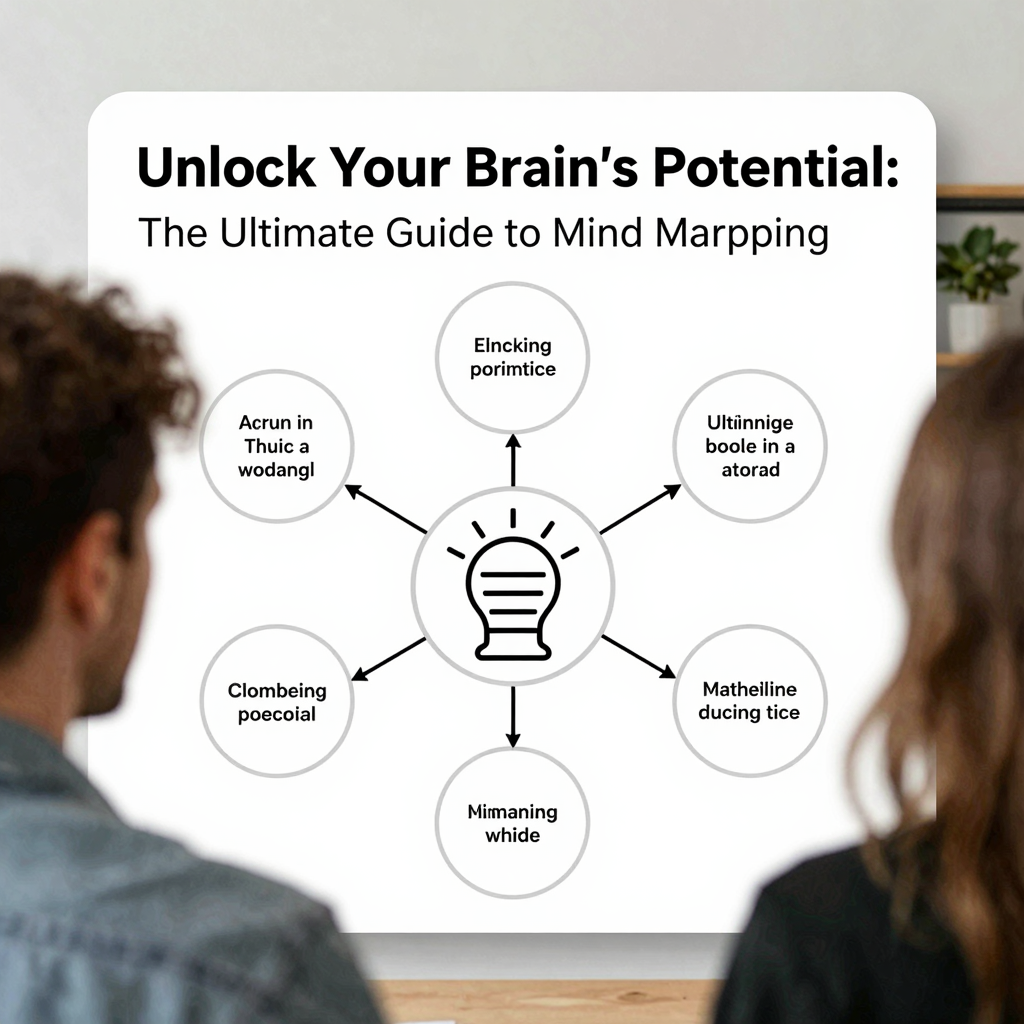
    Unlock Your Brain’s Potential: The Ultimate Guide to Mind Mapping

    In our fast-paced, information-saturated world, the ability to organize thoughts, generate ideas, and solve problems efficiently is more valuable than ever. Traditional linear note-taking often falls short, leaving us with disconnected facts and stifled creativity. Enter mind mapping – a powerful visual thinking tool that mirrors the brain’s natural way of processing information. Far from being just a simple diagram, mind mapping is a structured brainstorming technique that can revolutionize how you learn, plan, and create. By leveraging colors, images, and branches, mind maps transform complex ideas into clear, memorable, and interconnected visual landscapes.

    What Exactly is Mind Mapping?

    At its core, a mind map is a diagram used to visually organize information. It starts with a central idea, theme, or problem placed prominently in the center of a page (physical or digital). From this central node, major related concepts radiate outward as branches. These primary branches then sprout secondary and tertiary branches, representing sub-topics, details, examples, and associations. Unlike linear lists, mind maps embrace the non-linear nature of human thought.

    The Core Principles

    The modern concept of mind mapping is largely credited to Tony Buzan, a British psychologist and author who popularized it in the 1970s. Buzan emphasized several key principles for creating effective mind maps:

    • Start with a Central Image: Use a strong, colorful image or keyword in the center to capture attention and represent the main theme.
    • Use Keywords, Not Sentences: Single, evocative words or short phrases are placed on branches to capture the essence of ideas.
    • Embrace Color: Assign different colors to main branches to stimulate the brain, aid memory, and visually categorize information.
    • Incorporate Images and Symbols: Pictures, icons, and symbols are processed faster by the brain than text and enhance recall.
    • Utilize Curved Lines (Organic Branches): Avoid straight lines; use flowing, organic curves for branches to make the map more visually appealing and less rigid.
    • Emphasize Hierarchy and Association: The proximity of branches to the center and their connections visually depict the importance and relationship of ideas.

    Mind Mapping vs. Other Visual Tools

    While often grouped with concept maps or flowcharts, mind maps have distinct characteristics:

    • Concept Maps: Tend to be more hierarchical and structured, often focusing on relationships between concepts with linking words on connecting lines. They are excellent for showing complex interconnections in systems.
    • Flowcharts: Primarily depict processes, sequences, or workflows in a step-by-step, linear fashion.
    • Mind Maps: Prioritize radical visual thinking and free association radiating from a central point. They are designed for brainstorming, capturing the ‘big picture,’ and stimulating creative leaps.

    Mind maps excel at the initial stages of thought organization – capturing the chaos of ideas and giving it a structured yet flexible form.

    The Multifaceted Benefits of Mind Mapping

    The true power of mind mapping lies in its versatility and the wide range of cognitive benefits it offers. It’s not just about drawing pretty pictures; it’s about enhancing how your brain works.

    Enhanced Learning and Memory

    Mind maps leverage several principles of cognitive psychology to boost learning and retention:

    • Dual Coding Theory: By combining verbal information (keywords) with visual information (colors, images, spatial arrangement), mind maps create multiple pathways for recall in the brain.
    • Active Engagement: The act of creating the map – choosing keywords, drawing branches, selecting colors – requires deeper processing than passive note-taking.
    • Chunking: Information is broken down into manageable ‘chunks’ (branches and sub-branches), making complex subjects easier to digest.
    • Association: The spatial layout and connecting branches explicitly show relationships between ideas, strengthening memory links.

    Studies have shown that students who use mind maps often perform better on recall tests compared to those using traditional linear notes.

    Supercharged Creativity and Problem Solving

    Mind mapping is a powerhouse for creative thinking. Its non-linear structure encourages:

    • Divergent Thinking: Starting from a central point, the mind is free to explore multiple avenues simultaneously without the constraints of sequence.
    • Making Unexpected Connections: The visual proximity of seemingly unrelated branches can spark novel associations and innovative solutions.
    • Overcoming Mental Blocks: When stuck, adding a new branch or doodling an image can unlock fresh perspectives.
    • Visualizing Problems: Mapping out a problem, its potential causes (branches), and possible solutions (sub-branches) provides a comprehensive overview that linear lists cannot match.

    For brainstorming sessions, whether solo or group, mind maps provide a dynamic canvas to capture and connect ideas rapidly.

    Improved Planning and Organization

    Beyond creativity, mind maps offer exceptional structure for planning and managing projects, tasks, and goals:

    • Project Management: Use the central node for the project name, main branches for key phases (e.g., Research, Design, Development, Testing, Launch), and sub-branches for specific tasks, deadlines, and responsible parties.
    • Goal Setting: Place your main goal in the center. Branches can represent different areas of focus (e.g., Career, Health, Relationships, Finances), with sub-branches detailing actionable steps, resources needed, and milestones.
    • Meeting Agendas & Notes: Start with the meeting topic. Branches can represent agenda items, discussions points, decisions made, and action items assigned, creating a clear and concise record.
    • Content Creation & Writing: Map out article structures, book chapters, or presentation flows. The central topic branches into main sections, then into key points, examples, and references.

    The visual overview provided by a mind map makes complex plans manageable and highlights dependencies and priorities at a glance.

    How to Create Effective Mind Maps: From Analog to Digital

    Creating a mind map is simple and accessible, requiring minimal tools. The process itself is part of the cognitive benefit.

    The Analog Approach: Pen and Paper

    Many purists, including Tony Buzan, advocate starting with physical tools:

    • Materials: A large, blank sheet of paper (A3 or larger is ideal), colored pens, pencils, or markers.
    • Process:
      • Start in the center with your main idea (draw an image or write a keyword).
      • Draw thick, curved branches radiating outwards for each main theme or category related to your central idea. Use a different color for each main branch.
      • Write one or two keywords per branch.
      • Add sub-branches to each main branch for more specific details, facts, or ideas.
      • Use images, symbols, and doodles liberally to represent concepts.
      • Don’t worry about perfection; let the ideas flow and the map evolve organically.
    • Benefits: Tactile experience, complete freedom of form, no software constraints, encourages sketching and doodling which boosts creativity.

    The Digital Advantage: Software and Apps

    Digital mind mapping offers powerful features for flexibility and collaboration:

    • Popular Tools: MindMeister, XMind, iMindMap, Ayoa, SimpleMind, Miro (for collaborative mapping), and many others.
    • Key Features:
      • Easy editing, moving, and restructuring of branches.
      • Adding icons, clipart, hyperlinks, and attachments (files, notes).
      • Changing themes, colors, and branch styles with a click.
      • Exporting maps to various formats (PDF, image, text, Word, PowerPoint).
      • Real-time collaboration for team brainstorming or project planning.
      • Presentation modes that unfold the map step-by-step.
    • Benefits: Neatness, easy editing, storage and sharing, integration with other tools, advanced features like task management and presentation modes.

    Whether you choose analog or digital depends on personal preference and the specific task. Many find starting on paper liberating and then digitizing the map for refinement and sharing.

    Tips for Maximizing Your Mind Map

    Regardless of the medium, keep these tips in mind:

    • Focus on Keywords: Resist writing sentences. Use single, powerful words that trigger associations.
    • Prioritize Images: A picture truly is worth a thousand words, especially for memory. Even simple sketches help.
    • Use Color Strategically: Assign meaning to colors (e.g., red for urgent tasks, green for resources).
    • Embrace White Space: Don’t cram the page. Allow the map room to breathe and expand.
    • Review and Refine: Mind maps are living documents. Revisit them to add new ideas, prune irrelevant branches, or reorganize.
    • Make it Personal: Use symbols, colors, and layouts that make sense *to you*. Personalization enhances memory.

    Practical Applications: Where Mind Maps Shine

    The versatility of mind mapping means it can be applied to virtually any field or personal endeavor. Here are just a few examples:

    Academic Excellence

    • Note-Taking: Transform dense lectures or textbook chapters into clear, visual summaries during or after learning.
    • Essay and Thesis Planning: Structure arguments, identify supporting evidence, and ensure logical flow before writing.
    • Exam Revision: Condense entire subjects onto a single map for efficient review. The visual layout aids recall under pressure.
    • Understanding Complex Subjects: Break down intricate topics in science, history, or philosophy into understandable chunks and relationships.

    Business and Productivity

    • Strategic Planning: Map out business goals, SWOT analyses (Strengths, Weaknesses, Opportunities, Threats), market research findings, and growth strategies.
    • Project Management: Plan projects visually, assign tasks, track progress, and manage resources (as detailed earlier).
    • Meeting Management: Create agendas, capture minutes visually, and assign action items clearly.
    • Product Development & Brainstorming: Generate and organize ideas for new features, services, or marketing campaigns.
    • Problem Solving: Analyze root causes of issues, explore potential solutions, and evaluate their pros and cons.

    Personal Growth and Life Management

    • Goal Setting: Define life goals across different areas (career, health, personal development, relationships, finances) and plan actionable steps.
    • Decision Making: Weigh options, list pros and cons, and visualize potential outcomes for significant life choices.
    • Planning Events: Organize weddings, vacations, or parties by mapping out logistics, guest lists, budgets, and schedules.
    • Learning New Skills: Map out the steps, resources, and practice required to master a new language, instrument, or hobby.
    • Journaling & Reflection: Use mind maps to explore feelings, experiences, and insights in a non-linear, visual way.

    Conclusion

    Mind mapping is far more than just a note-taking technique; it’s a fundamental shift in how we approach thinking, learning, and organizing information. By visually capturing the radiant and associative nature of our thoughts, mind maps unlock creativity, enhance memory, clarify complex ideas, and streamline planning. Whether you’re a student grappling with exams, a professional navigating intricate projects, or an individual seeking to organize your life and goals, incorporating mind mapping into your toolkit offers profound benefits. It democratizes complex cognitive strategies, making powerful thinking accessible to anyone with a pen and paper or a digital device. Start simple – take a blank page, write down your central idea, and let your thoughts branch out. You might be surprised at the clarity, creativity, and potential you unlock within your own mind.

  • From Scribbles to Structure: Mastering Your Mind with Effective Note Taking Methods

    From Scribbles to Structure: Mastering Your Mind with Effective Note Taking Methods

    In our information-saturated world, the simple act of taking notes has evolved from a passive classroom chore into a foundational skill for learning, productivity, and creative thinking. We’ve all been there—furiously scribbling down every word in a meeting or lecture, only to find our notebooks filled with pages of disjointed text we’ll never revisit. The truth is, effective note-taking isn’t about transcription; it’s about transformation. It’s the process of actively converting information into a personal, meaningful format that your brain can not only store but also retrieve and use. By adopting a structured method like the Cornell system, you move from being a passive spectator to an active architect of your own understanding. This article will dive deep into the world of note-taking methodologies, exploring timeless systems and modern adaptations that can help you capture clarity and unlock your cognitive potential.

    The Problem with Passive Notes: Why Your Old Habits Are Failing You

    Before we can build a better system, we need to understand why our default note-taking habits often fail us. For most people, note-taking is a linear, verbatim process. We listen or read, and we try to capture as much as possible on the page, often in long-form paragraphs or unstructured bullet points. This approach, often called “the transcription trap,” has several critical flaws. First, it prioritizes volume over understanding. Your mental energy is focused on capturing words, not on processing their meaning. This leaves little room for critical thinking or making connections during the moment of learning. Secondly, passive notes are notoriously difficult to review. A wall of undifferentiated text offers no cues, no hierarchy, and no clear path for re-engagement, making study sessions inefficient and frustrating.

    The cognitive science is clear: learning is an active process. When you simply copy information, you engage only a fraction of your brain’s encoding capabilities. Effective note-taking methods work because they force you to engage in what educational psychologists call “elaborative rehearsal.” This means you are manipulating the information—paraphrasing, questioning, summarizing, and connecting—which creates stronger and more accessible neural pathways. The goal is to create a living document, not a static archive. Your notes should serve as a map of your understanding, complete with landmarks (key ideas), paths (connections), and blank spaces (questions) to explore later.

    A Deep Dive into the Cornell Note-Taking System

    When discussing structured note-taking, one method stands as the gold standard, revered by students and professionals for over half a century: the Cornell Notes system. Developed in the 1940s by Walter Pauk, an education professor at Cornell University, this method is beloved for its elegant simplicity and profound effectiveness. It transforms the blank page from a chaotic canvas into a strategic workspace designed for every phase of the learning cycle: recording, reducing, reciting, reflecting, and reviewing.

    The Structure: Dividing for Conquer

    The first step is to format your page before you begin. Draw a vertical line about 2.5 inches from the left side of the page, creating a narrow “Cue Column.” At the bottom of the page, draw a horizontal line about 2 inches from the bottom, creating a “Summary Section.” The largest area, on the right, is your “Note-Taking Column.” This physical segmentation is the genius of the system—it creates dedicated zones for different cognitive tasks.

    • The Note-Taking Column (Right Side): During the lecture, meeting, or reading session, you record your notes here. The key is to avoid verbatim transcription. Instead, use concise sentences, meaningful abbreviations, bullet points, and simple diagrams. Capture facts, ideas, and concepts in your own words where possible.
    • The Cue Column (Left Side): This is where the magic of active learning happens, preferably soon after the session. Review the notes in the right column and distill them. Write down key questions, keywords, or prompts that correspond to the material. For example, if your note says, “Photosynthesis converts light energy into chemical energy,” your cue might be “What is the primary function of photosynthesis?” This column becomes a self-testing tool.
    • The Summary Section (Bottom): After you’ve completed the cue column, take a few minutes to write a 2-3 sentence summary of the entire page’s content in your own words. This forces high-level synthesis and provides a quick-reference overview.

    Why the Cornell Method Works So Well

    The power of Cornell Notes lies in its built-in review cycle. When it’s time to study, you simply cover the main note-taking column with a sheet of paper. Looking only at the cues and questions in the left column, you attempt to recite or explain the detailed information hidden on the right. This practice of active recall is scientifically proven to strengthen memory far more than passive re-reading. The bottom summary allows for rapid scanning of multiple topics. By compartmentalizing the stages of learning—capture, question, summarize, recall—the system ensures you engage with the material multiple times in different ways, dramatically increasing comprehension and retention.

    Beyond Cornell: Other Powerful Note-Taking Methodologies

    While the Cornell method is incredibly versatile, it’s not the only tool in the shed. Different contexts and thinking styles call for different approaches. The best note-takers have a repertoire of methods and know when to deploy each one.

    The Mind Mapping Method

    For visual thinkers, brainstormers, and anyone trying to understand complex, interconnected systems, mind mapping is a game-changer. Created by Tony Buzan, a mind map starts with a central concept written (or drawn) in the middle of the page. From there, you draw branches out to major subtopics, then smaller branches for details, ideas, and examples. You use colors, symbols, and images freely. This method mirrors the radiant thinking of the brain itself, making it excellent for planning essays, solving problems, summarizing books, or connecting ideas from a creative meeting. It shows relationships and hierarchies at a glance, which linear notes often obscure.

    The Outline Method

    The classic outline is the go-to method for capturing information that has a clear, hierarchical structure, such as a well-organized lecture, a legal briefing, or project specifications. Using indents, bullet points, and a consistent system of Roman numerals, letters, and numbers, you create a structured tree of topics and subtopics. Its primary strength is its organization and simplicity. It’s easy to create on the fly during fast-paced talks, and it immediately reveals the speaker’s flow of ideas. However, its weakness is that it can encourage passive, verbatim recording if you’re not careful. To make it active, focus on paraphrasing and using the indentation to show relationships, not just to list points.

    The Boxing Method & The Charting Method

    For compartmentalizing distinct themes or comparing and contrasting information, these two methods are exceptionally useful. The Boxing Method involves dedicating a box (or a distinct section of your page) to each major topic. This is fantastic for organizing notes from meetings with multiple agenda items or classes that cover several discrete concepts per session. It creates visual separation that makes review clearer.

    The Charting Method is your best friend for comparative analysis. Before the session, you set up a table with columns and rows. For instance, if you’re comparing historical events, your columns might be “Date,” “Causes,” “Key Figures,” “Outcome.” As you listen or read, you fill in the rows. This method forces you to categorize information actively and is unparalleled for exam review on topics that involve lots of facts and figures.

    Choosing Your Method and Integrating Digital Tools

    With all these options, how do you choose? Start by analyzing the context. Is the information linear and structured (use Outline or Cornell)? Is it conceptual and interconnected (use Mind Mapping)? Is it comparative (use Charting)? Are you in a fast-paced, fact-dense lecture (Cornell or Boxing might work best)? Don’t be afraid to hybridize. You might start with an outline during a lecture, then transfer and reorganize the information into a Cornell format or a mind map during your review session—this act of re-mixing is itself a powerful learning technique.

    The digital revolution has also transformed note-taking. Apps like Notion, Obsidian, Roam Research, and even enhanced tools like OneNote or GoodNotes allow you to implement these methods with added superpowers: infinite canvas for mind maps, easy linking of concepts, instant searchability, and cloud synchronization. The core principles, however, remain unchanged. Whether you use a stylus on a tablet or a keyboard, the goal is active processing. Use digital tools to enhance the methodology, not replace the thinking. For example, you can create a Cornell Notes template in any app and use digital flashcards (like in Anki) for the “cue” recall practice.

    Conclusion: Your Notes Are Your Intellectual Capital

    Note-taking is far more than an administrative task; it is the primary interface between your mind and the world of information you wish to master. Methods like the Cornell system, mind mapping, and others provide the scaffolding that turns fleeting thoughts and spoken words into durable, usable knowledge. They shift you from a reactive collector to a proactive curator of ideas. By investing the small upfront effort to learn and apply a structured method, you save immense time and frustration later when reviewing, studying, or executing projects. So, grab your preferred tool—be it a classic notebook or a digital tablet—and experiment. Find the method that resonates with your thinking style and the demands of your work. Your notes are the bedrock of your intellectual capital. Build them well, and they will pay dividends for a lifetime of learning.

  • Beyond the Lecture Hall: The Evolving Landscape of Higher Education in the 21st Century

    Beyond the Lecture Hall: The Evolving Landscape of Higher Education in the 21st Century

    For centuries, the ivy-covered walls of universities have stood as immutable symbols of knowledge, tradition, and societal advancement. The very phrase “higher education” conjures images of sprawling campuses, late-night study sessions in grand libraries, and the ceremonial donning of cap and gown. It has long been perceived as the definitive gateway to professional success, personal growth, and a more enlightened life. Yet, standing at the crossroads of technological revolution, economic shifts, and global interconnectedness, the institution of higher education is undergoing a profound transformation. It is no longer just about earning a degree; it is about navigating a complex, dynamic ecosystem designed to prepare individuals for a world of constant change. This article explores the multifaceted evolution of higher education, examining its enduring value, the disruptive forces reshaping it, and the emerging models that promise to redefine what it means to learn, grow, and succeed.

    The Enduring Pillars: Why University Still Matters

    Despite the rise of alternative pathways, the traditional university experience retains significant, powerful advantages. Its value extends far beyond the content of textbooks. At its core, a robust higher education provides structured intellectual maturation. It teaches students not merely what to think, but how to think—critically, analytically, and creatively. Through exposure to diverse disciplines, from philosophy to physics, students develop a holistic understanding of the world and their place within it. This cultivation of a flexible, inquisitive mind is perhaps the most durable asset a graduate can possess, equipping them to tackle problems we cannot yet foresee.

    Furthermore, the campus environment is a unparalleled crucible for personal and professional development. It is where soft skills—communication, collaboration, time management, resilience—are tested and honed in real-time. Group projects, campus organizations, and even navigating roommate conflicts provide practical training for future workplace dynamics. The network built during these years, comprising peers, mentors, and professors, often becomes a lifelong professional and personal resource. This combination of credentialing, skill-building, and network-access remains a compelling formula for launching careers in established fields like law, medicine, academia, and engineering.

    Disruption and Challenge: The Forces Reshaping the Academy

    The traditional model is facing unprecedented pressure from multiple fronts. The most glaring challenge is the skyrocketing cost and student debt crisis. In many countries, tuition fees have far outpaced inflation and wage growth, leaving graduates burdened with loans that delay life milestones like home ownership or starting a family. This financial reality forces a brutal cost-benefit analysis, pushing prospective students and their families to demand clearer returns on investment and question the “default” path of a four-year residential degree.

    Concurrently, the digital revolution has democratized access to information. Platforms like Coursera, edX, and MasterClass offer world-class instruction from elite institutions for a fraction of the cost. Technology companies have also pioneered industry-recognized certification programs in high-demand areas like coding, data analysis, and digital marketing. These alternatives pose a direct challenge to the university’s monopoly on credentialing, particularly for career-switchers or those seeking specific, job-ready skills.

    Finally, there is a growing skills gap between graduate output and employer needs. The pace of technological change often outstrips curriculum development, leading to a mismatch where graduates possess theoretical knowledge but lack applied, cutting-edge competencies. Employers increasingly prioritize demonstrable skills, portfolios, and problem-solving abilities over the name of a degree-granting institution alone.

    Key Modern Challenges:

    • Financial Accessibility: The burden of student debt and questions of ROI.
    • Technological Competition: The rise of MOOCs, bootcamps, and digital credentials.
    • Relevance & Agility: Ensuring curricula keep pace with a rapidly changing job market.
    • Inclusivity & Equity: Broadening access and support for non-traditional and underrepresented students.

    The Future is Hybrid: Emerging Models and Adaptive Strategies

    In response to these challenges, the most innovative institutions are not defending their old models but radically adapting. The future of higher education is increasingly hybrid, flexible, and learner-centric. We are witnessing the rise of blended learning environments that seamlessly combine online and in-person instruction, offering students greater autonomy over their time and learning style. Micro-credentials—digital badges, nanodegrees, and certificates—allow learners to stack qualifications, building a portfolio of skills tailored to their career trajectory without necessarily committing to a full multi-year degree.

    The curriculum itself is being reimagined. There is a marked shift towards interdisciplinary and experiential learning. Programs now deliberately merge computer science with ethics, business with environmental studies, and design with psychology. Capstone projects, co-ops, and mandatory internships bridge the gap between theory and practice, ensuring students graduate with tangible experience. Furthermore, the focus is expanding from first-job placement to lifelong career resilience. Universities are positioning themselves as continuous learning partners, offering alumni access to updated courses, career counseling, and re-skilling opportunities throughout their professional lives.

    Components of a Modern Education:

    • Blended & Online Delivery: Flexibility in how and when learning occurs.
    • Competency-Based Progression: Advancing upon mastery, not just seat time.
    • Interdisciplinary Focus: Solving complex problems that don’t respect academic silos.
    • Explicit Skills Development: Embedding coding, data literacy, communication, and critical thinking across all majors.

    Conclusion: A More Expansive Definition of Success

    The journey of higher education is evolving from a linear, one-time event into a multifaceted, lifelong continuum. The universities that will thrive are those that embrace their role not merely as transmitters of specialized knowledge, but as architects of adaptive, holistic human potential. They must balance the preservation of timeless intellectual traditions with the agility to meet contemporary demands. For the modern learner, the choice is no longer simply “college or not.” It is about strategically navigating a rich landscape of options—from traditional degrees and online micro-credentials to bootcamps and self-directed learning—to construct a unique, resilient pathway. Ultimately, the true promise of higher education in this new era is its potential to empower individuals not just with a job, but with the cognitive tools, ethical framework, and adaptive capacity to build meaningful careers and contribute to a rapidly changing world.

  • Beyond the GPA: A Holistic Guide to Fostering True Academic Achievement

    Beyond the GPA: A Holistic Guide to Fostering True Academic Achievement

    For over a decade, I’ve written about education, parenting, and self-improvement, witnessing countless conversations and anxieties surrounding “academic achievement.” Too often, this powerful phrase is reduced to a single number—a GPA, a test score, a class ranking. While these metrics have their place, they paint an incomplete picture. True academic achievement is a rich, multifaceted tapestry woven from knowledge, skills, character, and well-being. It’s not just about performing well on a test; it’s about cultivating a curious mind, resilient spirit, and the ability to apply learning to the real world. This article aims to move beyond the simplistic definitions and explore what genuine academic success looks like in today’s complex landscape and how we can foster it effectively.

    Deconstructing the Pillars of Academic Achievement

    To understand how to cultivate achievement, we must first understand its core components. Academic achievement is not a monolithic entity but a structure built on several interdependent pillars. These pillars support not only performance in school but also lifelong success and personal fulfillment.

    The Cognitive Foundation: Knowledge and Critical Thinking

    At its most basic level, academic achievement involves the acquisition of knowledge. This is the content mastery—understanding historical events, solving algebraic equations, grasping scientific principles. However, in the information age, rote memorization is no longer sufficient. The true cognitive pillar is critical thinking. This is the ability to analyze information, evaluate sources, synthesize ideas from different disciplines, and solve novel problems. Achievement here is demonstrated not by repeating facts, but by asking insightful questions, constructing logical arguments, and demonstrating intellectual flexibility. It’s the difference between knowing what the Treaty of Versailles was and being able to analyze its long-term geopolitical consequences.

    The Skills and Habits: The Engine of Execution

    Knowledge alone is inert without the skills and habits to apply it. This pillar encompasses the practical toolkit students need to navigate academic demands and beyond.

    • Executive Functioning: This includes time management, organization, task initiation, and sustained focus. A student with strong executive skills can break down a large project, manage deadlines, and regulate their attention.
    • Metacognition: Often called “thinking about thinking,” this is the ability to self-assess. A metacognitive learner can ask, “Do I truly understand this concept?” and “What study strategy works best for me?” They can monitor their own comprehension and adjust their approach accordingly.
    • Communication Skills: The ability to articulate ideas clearly in writing and speech is a non-negotiable component of achievement. It’s how knowledge and thinking are expressed and shared.

    The Psychosocial Dimension: Mindset and Well-being

    This is perhaps the most overlooked yet most critical pillar. A student’s beliefs and mental state are the soil in which the seeds of achievement grow. Stanford psychologist Carol Dweck’s concept of growth mindset—the belief that abilities can be developed through dedication and hard work—is fundamental. It creates resilience in the face of setbacks. Conversely, a fixed mindset (the belief that intelligence is static) can lead to avoidance of challenges. Furthermore, achievement is unsustainable without well-being. Chronic stress, anxiety, and burnout erode cognitive function and motivation. True academic achievement must include the ability to manage pressure, maintain a sense of purpose, and cultivate a healthy work-life balance.

    Cultivating an Ecosystem for Success: Strategies for All Stakeholders

    Fostering holistic academic achievement requires a coordinated effort. It’s not just the student’s responsibility; it’s an ecosystem involving educators, parents, and the learners themselves. Each plays a unique role in nurturing the pillars discussed above.

    The Educator’s Role: Facilitator and Guide

    Teachers and professors are the architects of the learning environment. Their shift from “sage on the stage” to “guide on the side” is crucial. This means designing assessments that measure analysis, not just recall; providing specific, actionable feedback that guides improvement rather than just justifying a grade; and explicitly teaching study skills and metacognitive strategies. Creating a classroom culture that values intellectual risk-taking and views mistakes as learning opportunities is essential for building the psychosocial pillar. When an educator praises effort, strategy, and perseverance (“I’m impressed with how you tried three different approaches”), rather than just innate intelligence (“You’re so smart”), they directly foster a growth mindset.

    The Parent/Guardian’s Role: Supportive Basecamp

    The home environment is the foundation. Parents and guardians are not there to micromanage homework but to provide the structure, support, and perspective that schools often cannot. Key actions include:

    • Establishing consistent routines for sleep, nutrition, and work.
    • Creating a dedicated, quiet space for study.
    • Focusing conversations on learning and effort (“What was interesting in class today?” or “I saw you working hard on that project”) rather than solely on grades.
    • Modeling a love of learning and resilience in their own lives.
    • Advocating for their child’s needs while teaching them to self-advocate.
    • Most importantly, ensuring the child feels valued for who they are, not just for their academic performance.

    The Student’s Role: Active Driver of the Process

    Ultimately, achievement must be owned by the learner. Students cultivate agency by developing self-awareness. They should be encouraged to discover their optimal learning styles, take strategic breaks using techniques like the Pomodoro method, actively seek help when needed, and connect their daily work to their broader goals and interests. Learning to manage distractions, especially from digital devices, is a modern academic skill in itself. Students who can articulate *why* they are learning something are far more motivated and engaged than those who see it as a mere requirement.

    Redefining Success: When Achievement Goes Beyond the Transcript

    A holistic view of academic achievement inevitably leads us to question narrow, traditional definitions of success. It forces us to recognize and value forms of intelligence and accomplishment that don’t always make it onto a report card.

    Collaboration over Competition: The ability to work effectively in a team, to listen, integrate perspectives, and lead peers toward a common goal is a profound academic and life achievement. A group project that fosters genuine synergy often teaches more than isolated study.

    Character and Citizenship: Has the student developed integrity, empathy, and ethical reasoning? Do they contribute positively to their school community? Academic environments that foster debate, service learning, and ethical discussions are achieving something far greater than high test scores.

    Passion and Purpose: Perhaps the highest form of academic achievement is when a student discovers a field or question that ignites their curiosity so deeply that learning becomes self-directed and endless. This might be seen in a meticulously researched independent study, a creative art portfolio, or a dedicated pursuit in robotics or writing. This intrinsic motivation is the ultimate goal—it turns achievement from an external destination into an internal, lifelong journey.

    Conclusion

    Academic achievement, properly understood, is a symphony, not a solo. It harmonizes cognitive mastery with robust skills, a resilient mindset, and a foundation of well-being. As we shift our focus from merely measuring outcomes to nurturing the entire learning process, we empower students not just to get good grades, but to become agile thinkers, disciplined problem-solvers, and lifelong learners. The goal is to move from asking, “What did you get?” to asking, “What did you learn, and how did you grow?” By building an ecosystem that values effort, curiosity, and character as much as it values the “A,” we prepare our students not just for the next exam, but for the complex, beautiful challenges of life beyond the classroom. That is the truest form of achievement any of us can hope to foster.

  • achieving career success: strategic steps for professional growth

    achieving career success: strategic steps for professional growth

    achieving career success is not just about luck; it’s a combination of hard work, smart strategies, and persistent effort. whether you’re just starting out in your career or looking to advance your current position, this article will provide you with actionable insights and practical steps to help you reach your professional goals.

    1. Build a Strong Foundation for Career Success

    the first step toward career success is building a solid foundation. this means setting clear career goals, understanding your industry, and acquiring essential skills that are in demand in the job market. whether you’re entering a completely new field or aiming to advance your current career, having a clear roadmap will guide your efforts and keep you focused.

    • define your long-term career objectives. ask yourself: what do i want to achieve in the next 3-5 years? is my current industry a good fit for my goals?
    • identify the skills and knowledge you need to develop. take inventory of your current strengths and areas for improvement. consider enrolling in courses or training programs to enhance your expertise.
    • network with industry professionals. attend industry events, join professional organizations, and connect with colleagues on LinkedIn. building relationships can open doors to opportunities you might not have otherwise discovered.

    2. Embrace Continuous Learning and Skill Development

    in today’s fast-paced and competitive job market, staying ahead of the curve requires constant learning and adaptation. the more you learn, the more opportunities you’ll find, and the better equipped you’ll be to handle challenges. whether you’re learning a new skill or refining your existing ones, this mindset will help you achieve career success.

    • stay updated with industry trends. use resources like industry news websites, professional journals, and online courses to keep up with the latest developments in your field.
    • invest in formal education or certifications. whether it’s a degree, a specialized certification, or a new skill, acquiring knowledge can give you a competitive edge.
    • leverage online learning platforms. there are countless resources available online, from coding tutorials to business strategy courses, that can help you grow your skills.

    3. Take Action: 5 Key Steps to Career Success

    while knowledge and skills are important, what really sets apart successful professionals is their ability to act on what they’ve learned. here are five key steps you can take to move closer to your career goals:

    • develop a professional brand. create a strong online presence by maintaining a well-maintained LinkedIn profile, portfolio website, and social media accounts. showcase your work, showcase your expertise, and build a reputation as a reliable professional.
    • utilize social media strategically. share content that aligns with your expertise, engage with others in your network, and connect with people who can offer you guidance or opportunities.
    • network actively. attend industry events, join professional organizations, and connect with others on LinkedIn. the more connections you make, the more opportunities you’ll find.
    • leverage mentorship. find a mentor who can provide guidance, advice, and support as you navigate your career journey. whether it’s a colleague, a mentor, or a professional association, having a mentor can be invaluable.
    • be authentic and consistent. stay true to your values and goals, and be consistent in your efforts. over time, your dedication and perseverance will pay off.

    remember, achieving career success is not a destination, but a journey. it requires hard work, dedication, and a willingness to learn and grow. by setting clear goals, building a strong foundation, embracing continuous learning, and taking actionable steps, you can unlock your full potential and achieve the career success you’ve alwaysAspired to.

  • Embracing Professional Development: A Path to Personal and Career Growth

    Embracing Professional Development: A Path to Personal and Career Growth

    Introduction to Professional Development

    Professional development is more than just a buzzword; it’s a vital journey that every career-oriented individual should undertake. In an ever-evolving job market, staying updated with new skills, knowledge, and expertise is crucial for maintaining competitiveness and achieving long-term career goals. Whether you’re just starting out in your career or looking to advance your current position, investing time in professional development can lead to significant personal and professional growth.

    Why Professional Development is Essential

    One of the primary reasons why professional development is essential is the rapid pace of technological change in the modern world. With advancements in technology, industries, and global markets, it’s impossible to remain stagnant in your career. For instance, the rise of artificial intelligence, data analytics, and digital marketing has created new opportunities and challenges for professionals. Keeping up with these changes requires continuous learning and skill enhancement.

    Another critical reason for pursuing professional development is career advancement. Many career opportunities are reserved for those who are willing to go the extra mile to grow their expertise. Whether you’re aiming for a promotion, a new role, or a higher-paying position, professional development can open doors that were previously closed. Additionally, investing in your own growth can lead to increased job satisfaction and a sense of fulfillment.

    Professional development also empowers individuals to adapt to changing circumstances. The global nature of today’s workforce means that professionals must be able to work collaboratively across borders and understand diverse perspectives. By continuously expanding your knowledge and skills, you can navigate these complexities with confidence and remain a valuable asset to your organization.

    Steps to Take for Effective Professional Development

    Starting with the basics, understanding the importance of professional development is the first step. Recognizing that it’s a continuous process, rather than a one-time event, can help you stay motivated and committed to your growth.

    Next, identifying your learning objectives is crucial. Ask yourself what you want to achieve through your professional development. Are you looking to master a new skill, advance your current role, or transition into a new industry? Having clear goals will help you stay focused and make the most of your learning experiences.

    There are countless resources available for professional development, from online courses and webinars to workshops and mentorship programs. It’s important to explore different options and choose those that align with your learning style and goals. For example, if you prefer self-paced learning, online courses may be the best option. On the other hand, if you thrive in a classroom setting, attending a workshop or seminar could be more beneficial.

    Engaging in practical applications of your learning is another key step. Applying new skills and knowledge in real-world scenarios can enhance your understanding and retention. Whether it’s through projects at work, volunteering, or pursuing personal interests, hands-on experience is invaluable when building your professional development portfolio.

    Networking with others in your field can also be a powerful tool for professional growth. Joining industry groups, attending conferences, and participating in online forums can provide opportunities to learn from experts, share your own experiences, and build valuable connections.

    Challenges in Professional Development

    While professional development offers many benefits, it’s not without its challenges. One common challenge is finding the time and motivation to commit to learning. Balancing personal responsibilities, work commitments, and self-care can be difficult, especially when juggling multiple priorities.

    Another challenge is staying motivated and focused on long-term goals. It’s easy to get discouraged when progress is slow or when new information seems overwhelming. To overcome this, it’s important to set incremental milestones and celebrate small achievements along the way. Celebrating your successes, no matter how minor, can help maintain your motivation and keep you on track.

    Some individuals may also struggle with self-doubt or fear of failure when it comes to learning new skills. Overcoming these obstacles requires embracing a growth mindset and understanding that mistakes are a natural part of the learning process. By viewing challenges as opportunities to grow rather than as threats, you can approach your professional development with confidence and resilience.

    Conclusion

    Professional development is a transformative experience that can shape your career and personal growth. By understanding the importance of continuous learning, setting clear objectives, and utilizing a variety of resources, you can make meaningful progress in your professional journey. Remember, the journey of self-improvement is as much about your personal growth as it is about your career advancement. Embrace the challenges, stay motivated, and invest in your future. The rewards of professional development will undoubtedly pay off in the long run.

  • The Ultimate Guide to Personal Development: Unlocking Your Potential for Success

    The Ultimate Guide to Personal Development: Unlocking Your Potential for Success

    Personal development is a journey that every individual undertakes to improve themselves, both professionally and personally. It is a continuous process of self-improvement that helps you grow, evolve, and achieve your full potential. Whether you’re looking to enhance your career, build stronger relationships, or simply become a better version of yourself, personal development plays a pivotal role in shaping your life. In this article, we will explore the key principles of personal development, how to create a roadmap for growth, and the importance of staying committed to your journey.

    What is Personal Development?

    Personal development refers to the process of improving one’s own abilities and skills, with the aim of achieving personal goals or aspirations. It encompasses various aspects of life, including emotional intelligence, career advancement, physical health, and spiritual well-being. The goal of personal development is to help individuals identify their strengths and weaknesses, set realistic objectives, and take actionable steps to enhance their lives.

    At its core, personal development is about self-awareness. It requires you to understand your values, beliefs, and motivations, which form the foundation of your actions and decisions. By identifying areas where you can improve, you can focus your efforts on building new skills, cultivating positive habits, and overcoming challenges that stand in the way of your success. Personal development is not a one-time event but a lifelong commitment to growth and self-improvement.

    Key Principles of Personal Development

    1. Set Clear and Realistic Goals

    One of the most fundamental aspects of personal development is goal setting. Without a clear direction, it’s easy to get lost in the chaos of daily life and fail to make progress. To set effective goals, you should follow the SMART criteria: Specific, Measurable, Achievable, Relevant, and Time-bound. For example, instead of saying, “I want to be better at my job,” you could say, “I want to complete a professional certification in project management within six months.”

    When setting goals, it’s essential to break them down into smaller, manageable tasks. This approach makes the journey less overwhelming and allows you to track your progress more effectively. Celebrating small victories along the way can also boost your motivation and keep you on track.

    2. Cultivate Self-Awareness

    Understanding yourself is the first step toward personal growth. Self-awareness involves recognizing your emotions, strengths, weaknesses, and triggers. It helps you make better decisions, improve your relationships, and communicate more effectively. One way to enhance self-awareness is through journaling. By writing down your thoughts and feelings each day, you can gain insights into your behavior patterns and identify areas for improvement.

    Another powerful tool for self-awareness is meditation. Regular meditation practice can help you quiet your mind, focus on the present moment, and develop a deeper understanding of yourself. It also reduces stress and improves mental clarity, which are essential for making progress in personal development.

    3. Embrace Lifelong Learning

    Personal development is closely tied to learning. Whether it’s acquiring new skills, expanding your knowledge, or developing emotional intelligence, learning is a continuous process that fuels growth. In today’s fast-paced world, staying updated with the latest trends and information is crucial for maintaining relevance and competitiveness.

    To embrace lifelong learning, consider the following strategies:

    • Read books and articles on topics that interest you.
    • Attend workshops, seminars, and online courses.
    • Practice active listening and seek feedback from others.
    • Reflect on your experiences and apply lessons learned.

    By investing time in learning, you not only enhance your abilities but also open yourself up to new opportunities and perspectives.

    Creating a Personal Development Plan

    A personal development plan is a roadmap that guides you toward achieving your goals. It helps you stay focused, organized, and accountable. Here’s how you can create an effective personal development plan:

    1. Assess Your Current Situation

    Begin by evaluating where you are in life. Consider your strengths, weaknesses, opportunities, and threats (SWOT analysis). This will give you a clear picture of your starting point and help you identify areas that need attention. For example, if you struggle with public speaking, you might prioritize improving this skill as part of your personal development journey.

    2. Define Your Goals

    Once you have a clear understanding of your current situation, define your personal development goals. These should be specific, realistic, and aligned with your values and aspirations. For instance, if your goal is to become more confident in social situations, you might set a target to attend networking events monthly and practice active listening.

    3. Develop an Action Plan

    With your goals in mind, create an actionable plan that outlines the steps you need to take to achieve them. This plan should be detailed and include timelines, resources, and milestones. For example:

    • Week 1: Research public speaking courses and workshops.
    • Week 2: Enroll in a course and start practicing daily.
    • Week 3: Attend a local Toastmasters meeting to apply what you’ve learned.
    • Week 4: Deliver a short presentation to friends or colleagues for feedback.

    Breaking down your goals into actionable steps makes them more achievable and helps you stay motivated throughout the process.

    Overcoming Obstacles in Personal Development

    While personal development is a rewarding journey, it is not without challenges. Many individuals face obstacles such as lack of time, self-doubt, or distractions. Here are some strategies to overcome these hurdles:

    1. Manage Your Time Effectively

    Time management is crucial for personal development. With so many demands on your time, it’s easy to feel overwhelmed. Use tools like calendars, planners, or digital apps to schedule dedicated time for self-improvement activities. Even 30 minutes a day can make a significant difference over time.

    2. Stay Accountable

    Accountability is key to staying on track with your personal development goals. Share your goals with a trusted friend or mentor who can help keep you accountable. Alternatively, join a community or group of like-minded individuals who are also on a growth journey. Having support and encouragement can help you stay committed even when progress feels slow.

    3. Embrace Failure as a Learning Opportunity

    Failure is an inevitable part of any growth process. Instead of viewing it as a setback, see it as a valuable learning experience. Reflect on what went wrong, adjust your approach, and try again. This mindset will help you build resilience and perseverance, which are essential for long-term success.

    Conclusion

    Personal development is a transformative journey that requires dedication, effort, and a willingness to grow. By setting clear goals, cultivating self-awareness, and embracing lifelong learning, you can unlock your potential and achieve success in various areas of your life. Remember, growth is not about perfection but about progress. Every step you take, no matter how small, brings you closer to becoming the best version of yourself.

    So, start today. Assess your current situation, define your goals, and create an action plan. Surround yourself with supportive people, stay accountable, and embrace the challenges along the way. With persistence and the right mindset, you can achieve anything you set your mind to. Your journey to self-improvement begins now—take the first step and watch your life transform.

  • The Unstoppable Engine: Why Lifelong Learning is Your Most Valuable Skill

    The Unstoppable Engine: Why Lifelong Learning is Your Most Valuable Skill

    Imagine if your career, your mind, and your very sense of self were built on a foundation of sand. Every few years, a technological tide or a cultural shift sweeps in, eroding what you know, forcing you to scramble for solid ground. For many, this feeling is all too real in our era of relentless change. Now, imagine a different foundation: not static stone, but a living, growing, deeply rooted tree. Its roots draw nourishment from new ideas, its branches adapt to changing seasons, and it grows stronger with each passing year. This is the power of lifelong learning. It is no longer a lofty ideal for academics or a hobby for the intellectually curious; it is the fundamental, non-negotiable engine for professional relevance, personal fulfillment, and navigating a world in permanent beta.

    Gone are the days when education was a single, finite phase—a suitcase packed in your youth that you carried unopened through a 40-year career. That model is shattered. The half-life of skills is shrinking rapidly. A technical skill learned today may be obsolete in a handful of years. Industries are born and transformed at breakneck speed. In this landscape, the most critical skill you can possess is the ability and willingness to learn, unlearn, and relearn. Lifelong learning is the thread that weaves through every successful career pivot, every adaptation to new tools, and every moment of insightful problem-solving. It transforms you from a passive passenger in your own life to the active pilot, charting a course through uncertainty with curiosity as your compass.

    Beyond the Diploma: Redefining Learning for Life

    The first step to embracing lifelong learning is to dismantle our inherited, institutionalized view of what learning is. We must move it from the lecture hall and into the fabric of our daily existence.

    From Finite Event to Continuous State

    Formal education conditions us to see learning as a destination: you study, you take the test, you get the grade, you’re done. Lifelong learning rejects this finale. It is a continuous, self-directed process with no final exam and no graduation day. It happens in the 20-minute podcast during your commute, the deep-dive into a software tutorial on a Saturday morning, the thoughtful book that challenges your worldview, or the casual conversation with a colleague from a different department. It is fluid, iterative, and integrated. The goal shifts from accumulating certificates to cultivating competence and understanding.

    The Toolkit for the Modern Learner

    Fortunately, the tools for this journey are more accessible than ever. You carry a global library in your pocket. The modern lifelong learner curates their own curriculum from an abundance of resources:

    • Digital Platforms: Online courses (Coursera, edX, MasterClass), skill-specific platforms (LinkedIn Learning, Skillshare), and the vast university of YouTube.
    • Microlearning: Podcasts, newsletters, and article summaries that deliver insights in digestible chunks.
    • Communities of Practice: Online forums, professional networks, and mastermind groups where learning is social and collaborative.
    • Experiential Learning: The ultimate teacher. Taking on a stretch project at work, volunteering for a new skill, building something, or even teaching a concept to others.

    The key is intentionality. It’s not about consuming endless content, but about curating information with purpose and applying it to create new knowledge and capability.

    The Multifaceted Rewards of a Learning Mindset

    Committing to lifelong learning is an investment that pays compound interest across every domain of your life. The returns are both professional and profoundly personal.

    Professional Future-Proofing and Agility

    In the job market, continuous learners are the most resilient assets. They demonstrate adaptability, a growth mindset, and intrinsic motivation—qualities highly prized by every forward-thinking organization. Lifelong learning:

    • Opens Doors to Opportunity: It allows you to pivot into emerging fields, take on leadership roles requiring new technical literacy, and innovate within your current position.
    • Combats Obsolescence: By constantly updating your skill stack, you ensure your expertise evolves alongside your industry, protecting your career from disruption.
    • Builds Intellectual Capital: You become a connector of ideas, able to see patterns and solutions that others, with a narrower knowledge base, might miss.

    Cognitive Vitality and Personal Enrichment

    The benefits far exceed your resume. Neuroscience shows that challenging your brain with new learning builds cognitive reserve, helping to keep your mind sharp as you age. On a personal level, it is a catalyst for growth:

    • Fosters Resilience: A learning mindset reframes challenges and failures not as threats, but as valuable data and essential steps in the learning process.
    • Fuels Curiosity and Wonder: It rekindles the natural curiosity of childhood, making the world a more interesting and engaging place.
    • Enhances Self-Efficacy: Each new thing you master, from a language to a home repair, builds confidence in your ability to figure things out, boosting overall well-being.

    Building Your Sustainable Learning Habit

    Knowing why to learn is one thing; integrating it into a busy life is another. The secret is not monumental effort, but consistent, sustainable practice.

    Start with “Micro-Habits” and Curiosity

    Forget vowing to “get a new degree.” Start infinitesimally small. Commit to 10 minutes a day. Listen to an educational podcast while making dinner. Read one industry article with your morning coffee. Follow a thought leader on social media who shares quality insights. The goal is to wire the habit, not achieve a massive output. Anchor your learning to a curiosity you already have. Always wanted to understand blockchain? Fascinated by Roman history? Start there. Intrinsic interest is the fuel that makes the habit self-sustaining.

    Create a Personal Learning Plan (PLP)

    Bring structure to your intentions. A simple PLP can be a note on your phone or a single document. Outline:

    • Focus Areas: What do you want to learn? (e.g., Data Visualization, Spanish, Project Management Fundamentals).
    • Resources: The specific course, book, or tool you’ll use.
    • Time Commitment: Realistic slots in your weekly calendar (“Tues/Thurs 7:30-8:00 PM”).
    • Application: How will you use this knowledge? (Build a dashboard, order food in Spanish, lead the next team project).

    Review and adjust this plan quarterly. It’s your roadmap, not a rigid contract.

    Embrace the Discomfort of the “Learning Zone”

    Real growth happens outside your comfort zone, in the “learning zone”—that space where you are challenged and might feel frustrated or clumsy. Expect it. When learning a new software, you will fumble. When studying a complex theory, you will have to re-read paragraphs. This is not failure; this is the active process of building new neural pathways. Be patient with yourself. Reflect on what you’re learning, make notes, and teach the concept to someone else. This active engagement solidifies the knowledge.

    The Never-Ending Journey

    Lifelong learning is not a race with a finish line; it is the path itself. It is a conscious choice to remain open, malleable, and engaged with the world’s endless complexity. In a culture that often values quick fixes and definitive answers, it is a commitment to asking better questions. It acknowledges that mastery is not a plateau to be reached and settled upon, but a horizon that continually recedes, inviting you forward.

    Ultimately, adopting a lifestyle of continuous learning is the most powerful statement you can make about your own agency. It says that you are not defined by what you knew yesterday, but by your capacity to understand tomorrow. You are choosing to grow your own capabilities, to nurture your curiosity, and to build a life that is not reactive to change, but energized by it. So, start today. Pick one thing that piques your interest, dedicate a few minutes to it, and begin stoking that unstoppable engine within. Your future self will thank you for the journey.