Blog

  • Meal Prep for Beginners: A Comprehensive Guide to Eating Healthy

    Meal Prep for Beginners: A Comprehensive Guide to Eating Healthy

    Starting your meal prepping journey can feel overwhelming, but with the right approach, it becomes an empowering habit that transforms your relationship with food. Whether you’re trying to save time, reduce waste, or improve your nutrition, this guide will walk you through everything you need to know to get started successfully.

    Why Meal Prep?

    The benefits of meal prepping extend beyond just convenience. By planning and preparing your meals in advance, you take control of your diet, ensuring you have healthy options readily available when hunger strikes. This proactive approach helps combat decision fatigue, where choosing between fast food and home-cooked meals can be mentally exhausting. Studies show that people who meal prep tend to eat more fruits and vegetables and have better overall dietary quality compared to those who don’t.

    • Saves Time: Preparing meals in batches means less cooking during the week.
    • Reduces Waste: You’ll use up ingredients before they go bad.
    • Improves Health: Control over portion sizes and ingredient quality leads to better nutrition.

    Getting Started: The Basics

    Before diving into meal prep, it’s crucial to set realistic expectations and establish a solid foundation. Start small—perhaps with just one or two meals a week—to avoid feeling overwhelmed. Choose recipes that align with your taste preferences and dietary needs while being flexible enough to adapt as you gain experience.

    Essential Tools & Equipment

    Investing in the right tools makes meal prepping much more efficient. Consider these must-haves:

    • Good quality cutting boards and knives for safe chopping
    • Airtight containers suitable for freezing and storing
    • A reliable slow cooker or Instant Pot for hands-off cooking
    • Reusable beeswax wraps or silicone lids to minimize plastic use

    Planning Your Meals

    Successful meal prep begins with thoughtful planning. Spend time researching recipes that fit your dietary goals and schedule. Apps like MyFitnessPal or Plan to Eat can help track macros and plan meals ahead of time. Remember to include a variety of protein sources, whole grains, vegetables, and healthy fats in each meal for balanced nutrition.

    Step-by-Step Meal Prep Process

    Once you’ve chosen your recipes and gathered supplies, follow these steps for an organized meal prep session:

  • Wash and chop all produce first. This sets the stage for efficient cooking later.
  • Cook large batches of components. For example, roast chicken breasts, steam rice, or make a big pot of quinoa.
  • Assemble individual servings. Portion out proteins, carbs, and veggies into separate containers.
  • Label and date everything. Clear labeling prevents confusion about what’s what.
  • Store properly. Refrigerate perishables within two hours; freeze long-term storage items.
  • Tips for Success

    Even seasoned meal preppers face challenges along the way. Here are some strategies to overcome common hurdles:

    Overcoming Boredom

    Variety is key to sticking with meal prep. Rotate through different cuisines, swap out similar ingredients (like using zucchini noodles instead of regular pasta), and try new recipes occasionally to keep things interesting.

    Handling Setbacks

    Life happens—some weeks might not go according to plan. That’s okay! Don’t let a missed meal prep day derail your progress entirely. Pick yourself up, learn from any mistakes made, and move forward.

    Staying Motivated

    Visualize the positive outcomes of your efforts—better health, increased energy levels, maybe even weight management. Share your progress on social media or join online communities dedicated to meal prepping for support and inspiration.

    Conclusion

    Meal prepping isn’t just about saving time; it’s about taking charge of your wellbeing by making conscious choices about what fuels your body. While it may require an initial investment of time and effort, the rewards far outweigh the costs. Remember to stay patient with yourself throughout this process, celebrate small victories, and enjoy the journey toward healthier eating habits. With practice, meal prepping will become second nature, opening doors to a happier, healthier lifestyle.


  • Boost Your Workday Energy: The Ultimate Guide to Healthy Snacks for Work

    Boost Your Workday Energy: The Ultimate Guide to Healthy Snacks for Work

    When it comes to maintaining productivity and focus throughout a long workday, the right snacks can make all the difference. Choosing healthy snacks for work not only keeps your energy levels stable but also supports overall well-being. Whether you’re looking to curb hunger between meals or seeking a quick pick-me-up, incorporating nutrient-dense options into your routine can have significant benefits. This article explores a variety of wholesome snack ideas that are perfect for the office environment, emphasizing convenience, nutrition, and taste.

    Why Healthy Snacks Matter at Work

    Snacking is inevitable, especially when deadlines loom and meetings stretch on. However, not all snacks are created equal. Unhealthy choices such as chips, cookies, or sugary drinks can leave you feeling sluggish and drained, affecting both your mood and performance. In contrast, healthy snacks provide sustained energy, improve cognitive function, and enhance mood—all essential components for staying sharp and motivated throughout the day.

    Research has shown that balanced snacking can help regulate blood sugar levels, prevent overeating during main meals, and reduce the risk of chronic diseases like diabetes and heart disease. By prioritizing nutrient-rich options, you’ll fuel your body with vitamins, minerals, fiber, and protein—key elements that support metabolic health and longevity.

    Key Benefits of Healthy Snacks for Work

    • Sustained Energy: Nutrient-dense snacks release energy gradually, avoiding the crash associated with high-sugar treats.
    • Improved Cognitive Function: Foods rich in antioxidants and healthy fats boost brainpower and concentration.
    • Mood Enhancement: Incorporating foods rich in tryptophan (like nuts) can elevate serotonin levels, reducing stress and anxiety.
    • Convenience: Many healthy snacks require minimal preparation, making them ideal for busy professionals.

    Top Healthy Snack Ideas for Work

    Fruits and Vegetables

    Fresh produce is an excellent choice for a quick, nutrient-packed snack. Apples, berries, carrots, celery sticks with hummus, and sliced bell peppers are easy to grab and portable. Fruits like bananas and oranges offer natural sugars for a quick energy boost, while vegetables provide fiber and hydration.

    Protein-Rich Snacks

    Protein helps keep you fuller longer and supports muscle repair. Greek yogurt with granola and honey, hard-boiled eggs, edamame, or a handful of almonds are fantastic options. These snacks satisfy hunger without causing spikes in blood sugar.

    Whole Grains and Cereals

    Whole grains are rich in fiber and complex carbohydrates, which promote steady energy release. Try whole-grain crackers with nut butter, oatmeal cookies, or quinoa salad. These snacks are filling and packed with nutrients.

    Dairy and Plant-Based Alternatives

    For those who prefer dairy, low-fat cheese sticks or cottage cheese paired with fresh fruit are great choices. If you’re plant-based, consider edamame, nutritional yeast flakes, or soy nuts. These options provide calcium, vitamin D, and other essential nutrients.

    Herbal Teas and Water

    Staying hydrated is crucial for cognitive function and physical performance. Herbal teas like green tea or chamomile can provide a calming effect without added sugars. Always carry a reusable water bottle to ensure you stay hydrated throughout the day.

    Tips for Choosing and Preparing Healthy Snacks

    To make healthy snacking easier, plan ahead by preparing snacks in bulk and storing them in portable containers. Keep a stash of pre-cut fruits, trail mixes, or homemade granola bars in your desk drawer. Additionally, be mindful of portion sizes to avoid overeating. A small handful of nuts or a single serving of yogurt can go a long way.

    Another tip is to avoid processed snacks that often contain hidden sugars and unhealthy fats. Opt for whole, unprocessed ingredients whenever possible. Reading labels carefully can help you identify healthier options and avoid unnecessary additives.

    Conclusion

    Incorporating healthy snacks into your workday routine is a simple yet powerful way to enhance productivity, mood, and overall well-being. From fruits and vegetables to protein-rich foods and herbal teas, there’s no shortage of delicious and nutritious choices available. By prioritizing balanced snacking, you’ll fuel your body with the nutrients it needs to thrive, ensuring you’re ready to tackle whatever challenges come your way. So next time hunger strikes at the office, reach for a snack that nourishes rather than depletes—your future self will thank you!

  • 10 Delicious Low Sugar Breakfast Ideas to Start Your Day Right

    10 Delicious Low Sugar Breakfast Ideas to Start Your Day Right

    Starting your day with a balanced breakfast is essential for energy, focus, and overall well-being. However, many people avoid breakfast due to concerns about sugar intake. High sugar levels can lead to energy crashes, mood swings, and long-term health issues like obesity and type 2 diabetes. The good news is that there are plenty of delicious low sugar breakfast ideas that will keep you satisfied until lunchtime without the sugar crash.

    Why Low Sugar Breakfasts Matter

    Sugar’s Impact on Energy Levels: Consuming high amounts of sugar in the morning can cause a rapid spike in blood sugar levels, followed by a sharp drop, leading to fatigue and irritability. A low sugar breakfast helps maintain stable energy levels throughout the day.

    Long-Term Health Benefits: Reducing sugar intake has been linked to improved heart health, better weight management, and a lower risk of chronic diseases. By choosing low sugar options, you’re making a positive choice for your long-term health.

    Simple Swaps for Success: Making small changes to your breakfast routine can have a big impact. Swapping out sugary cereals for whole grains, using natural sweeteners instead of refined sugar, and incorporating protein and fiber can transform your morning meal into a nutrient-packed powerhouse.

    Top Low Sugar Breakfast Recipes

    1. Overnight Oats with Chia Seeds and Fresh Fruit

    • Ingredients: Rolled oats, chia seeds, unsweetened almond milk, fresh or frozen fruit (e.g., blueberries, bananas), a sprinkle of cinnamon, and a drizzle of honey (optional).
    • Preparation: Mix all ingredients in a mason jar and refrigerate overnight. Enjoy cold or warm with additional toppings like nuts or coconut flakes.
    • Benefits: High in fiber and protein, this recipe keeps you full and provides steady energy.

    2. Avocado Toast with Eggs

    • Ingredients: Whole grain bread, mashed avocado, a poached or scrambled egg, salt and pepper to taste.
    • Preparation: Toast the bread, spread mashed avocado, top with egg, and season with salt and pepper.
    • Benefits: Avocados are rich in healthy fats and fiber, while eggs provide high-quality protein for sustained energy.

    3. Greek Yogurt Parfait with Nuts and Berries

    • Ingredients: Greek yogurt (plain or vanilla-flavored), mixed berries (strawberries, raspberries, blackberries), chopped nuts (almonds, walnuts), and a touch of maple syrup (optional).
    • Preparation: Layer yogurt, berries, and nuts in a glass or bowl. Drizzle with maple syrup if desired.
    • Benefits: Greek yogurt is a great source of protein and probiotics, while berries offer antioxidants and fiber.

    4. Quinoa Bowl with Tofu and Veggies

    • Ingredients: Cooked quinoa, firm tofu (marinated in tamari or soy sauce), roasted vegetables (bell peppers, zucchini, broccoli), and a sprinkle of sesame seeds.
    • Preparation: Combine all ingredients in a bowl and dress with a simple vinaigrette made from olive oil and lemon juice.
    • Benefits: Quinoa is a complete protein, and tofu provides plant-based protein. Vegetables add vitamins and minerals.

    5. Sweet Potato Hash with Smoked Turkey Sausage

    • Ingredients: Sweet potatoes, diced onions, garlic, smoked turkey sausage, olive oil, and herbs (parsley, thyme).
    • Preparation: Sauté sweet potatoes and onions until tender, then add diced sausage and cook until browned. Season with herbs and serve.
    • Benefits: Sweet potatoes are high in fiber and beta-carotene, while turkey sausage provides lean protein.

    Tips for Maintaining a Low Sugar Breakfast Routine

    Read Labels Carefully: Many packaged foods contain hidden sugars. Look for products labeled “low sugar” or check the ingredient list for terms like “evaporated cane juice,” “brown rice syrup,” or “maltose.”

    Use Natural Sweeteners Wisely: Instead of adding table sugar, consider using natural sweeteners like stevia, monk fruit, or a small amount of pure maple syrup. These alternatives can satisfy your sweet tooth without the negative health effects of refined sugar.

    Plan Ahead: Prepping ingredients and meals in advance can make sticking to a low sugar diet easier. Make batches of overnight oats or prep veggies for the week to ensure you always have healthy options on hand.

    Focus on Whole Foods: Prioritize whole, unprocessed foods in your diet. Whole grains, lean proteins, fruits, vegetables, and healthy fats are not only low in sugar but also packed with essential nutrients that support overall health.

    Listen to Your Body: Pay attention to how different foods affect your energy levels and mood. Everyone’s body reacts differently, so experiment with various low sugar breakfast options to find what works best for you.

    Conclusion

    A low sugar breakfast doesn’t mean sacrificing flavor or enjoyment. With a little creativity and planning, you can enjoy delicious, satisfying meals that fuel your body and mind throughout the day. Whether you prefer savory options like avocado toast or sweet choices like Greek yogurt parfaits, there’s a low sugar breakfast idea that will work for you. Start your day right with these tasty recipes and watch as your energy levels improve and your overall health benefits from this simple change. Remember, consistency is key—make these low sugar breakfasts a regular part of your routine and experience the difference they can make in your daily life.

  • Mastering Nutrition Labels: A Comprehensive Guide

    Mastering Nutrition Labels: A Comprehensive Guide

    Deciphering nutrition labels is an essential skill for anyone looking to make informed food choices. With so much information packed into a small space, understanding what you’re reading can seem daunting. But fear not! This guide will walk you through the key components of nutrition labels, helping you navigate them with confidence.

    Understanding the Basics

    Every packaged food product in the United States must include a nutrition facts panel, also known as a nutrition label. This panel provides standardized information about the product’s nutritional content. The label is divided into several sections, each offering different types of data.

    • Serving Size: This indicates how much of the product is considered one serving. It’s crucial to know this because the nutrient values are based on this amount.
    • Calories: The total number of calories per serving. Calories are often listed in two places: as calories from fat and as total calories.
    • Nutrient List: This section breaks down the product’s nutritional content into categories like total fat, saturated fat, trans fat, cholesterol, sodium, total carbohydrate, dietary fiber, total sugars, and protein.

    Breaking Down the Nutrients

    Let’s delve deeper into some of these nutrients to understand their significance:

    • Fat: Fats are essential for energy and absorption of certain vitamins. However, it’s important to differentiate between healthy fats (like those found in avocados and nuts) and unhealthy ones (like trans fats).
    • Sodium: High sodium intake can lead to hypertension and other health issues. Look for products with lower sodium content.
    • Sugars: Be aware of added sugars, which are often hidden in processed foods. Naturally occurring sugars in fruits are generally fine.
    • Dietary Fiber: Fiber is beneficial for digestive health and helps control blood sugar levels. Look for high-fiber options.

    The Daily Value System

    One of the most useful tools on nutrition labels is the Daily Value (DV) system. This system allows consumers to compare the nutrient content of a single serving to the recommended daily intake for a 2,000-calorie diet.

    • Percentage Daily Value (%DV): This percentage tells you how much of your daily needs a particular nutrient in the serving meets. For example, if a serving has 20% of the daily value for calcium, it means that one serving contributes 20% to your daily calcium requirement.
    • Reference Intakes (RDA/DRIs): These are the recommended amounts of nutrients that should be consumed daily to maintain health. They vary by age, sex, and life stage.

    Common Misconceptions

    There are several misconceptions about nutrition labels that can lead to confusion. Let’s address some of these:

    • “Low-Fat” Doesn’t Mean Healthy: Products labeled “low-fat” may contain high amounts of sugar or salt to compensate for the taste lost when fat is removed. Always check the ingredient list and nutrient profile.
    • Natural vs. Organic: While organic products are free from synthetic pesticides and fertilizers, they aren’t necessarily healthier than conventionally grown produce. Both have their benefits depending on personal preferences and environmental concerns.
    • Serving Size Matters: Many people underestimate the size of a serving, leading them to consume more calories than intended. Use measuring cups or weigh ingredients for accuracy.

    Practical Tips for Reading Nutrition Labels

    Here are some practical tips to help you make better use of nutrition labels:

    • Read the Ingredient List: The ingredient list is ordered by quantity, so the first few ingredients are the most prevalent. Avoid products with long lists of unfamiliar or artificial ingredients.
    • Look for Whole Foods: Choose products made from whole foods rather than highly processed ones. Whole foods tend to have fewer additives and preservatives.
    • Check for Added Sugars: Be wary of products that list sugar near the top of the ingredient list. Naturally occurring sugars in fruits are usually fine, but added sugars can be detrimental to health.
    • Compare Brands: Different brands of similar products can vary greatly in their nutritional content. Always compare labels before making a purchase.

    Special Considerations

    Certain groups of people may need to pay extra attention to specific nutrients on nutrition labels:

    • Individuals with Diabetes: Pay close attention to carbohydrate counts and look for low-glycemic index foods.
    • Heart Health Concerns: Monitor sodium, cholesterol, and saturated fat intake carefully.
    • Vegetarians and Vegans: Ensure adequate protein, iron, and vitamin B12 intake by checking labels carefully.

    Conclusion

    Navigating nutrition labels doesn’t have to be complicated once you understand the basics. By familiarizing yourself with the serving size, daily value system, and key nutrients, you can make more informed decisions about your diet. Remember to read the ingredient list, look for whole foods, and consider special dietary needs when interpreting labels. With practice, deciphering nutrition labels will become second nature, empowering you to make healthier choices every time you reach for a packaged food item.

  • Discover the Best Healthy Smoothie Recipes for a Vibrant Lifestyle

    Discover the Best Healthy Smoothie Recipes for a Vibrant Lifestyle

    In today’s fast-paced world, finding time to eat a balanced diet can be challenging. That’s where healthy smoothie recipes come into play – they offer a convenient way to pack essential nutrients into one delicious drink. Whether you’re looking to boost your energy levels, improve digestion, or simply satisfy your sweet tooth without compromising on health, these smoothies have got you covered.

    The Benefits of Smoothies

    Smoothies are more than just a quick breakfast option; they’re a powerful tool for maintaining overall wellness. By combining fruits, vegetables, and sometimes protein sources, smoothies provide a wide range of vitamins, minerals, antioxidants, and fiber that support various aspects of our health.

    • Boosted Immunity: Rich in vitamins C and E, which help fight off infections and reduce inflammation.
    • Improved Digestion: High fiber content aids in regular bowel movements and promotes gut health.
    • Enhanced Energy Levels: Natural sugars from fruits combined with healthy fats provide sustained energy throughout the day.

    Essential Ingredients for Perfect Smoothies

    Creating a nutrient-dense smoothie requires selecting the right ingredients carefully. Here are some must-have components:

    • Fruits: Berries (strawberries, blueberries), bananas, apples, pineapples – all packed with vitamins and natural sweetness.
    • Leafy Greens: Spinach, kale, or Swiss chard add iron, calcium, and magnesium while contributing minimal calories.
    • Protein Sources: Greek yogurt, almond butter, chia seeds, or protein powder for muscle repair and satiety.
    • Liquid Base: Water, coconut water, or plant-based milk like almond or oat milk.
    • Superfoods: Adding spirulina, acai berries, or goji berries takes nutritional value up a notch.

    Top Healthy Smoothie Recipes

    Let’s dive into some fantastic smoothie recipes that cater to different tastes and dietary preferences:

    Green Goddess Smoothie

    This vibrant green concoction is perfect for detoxifying your system and energizing your morning routine.

    • 1 cup spinach leaves
    • 1/2 avocado
    • 1 ripe banana
    • 1/2 cucumber
    • 1 tablespoon hemp seeds
    • 1 cup unsweetened almond milk

    Blend until smooth and enjoy!

    Tropical Paradise Smoothie Bowl

    A refreshing take on traditional smoothies, this recipe combines tropical flavors with added texture.

    • 1 cup frozen mango chunks
    • 1/2 cup pineapple pieces
    • 1/4 cup coconut milk
    • 1 tablespoon shredded coconut
    • 1 scoop vanilla protein powder

    Blend well, then top with additional fresh fruit, nuts, and granola for extra crunch.

    Chocolate Avocado Smoothie

    Who says you can’t have chocolate for breakfast? This creamy blend satisfies your sweet tooth guilt-free.

    • 1 medium ripe avocado
    • 1/2 ripe banana
    • 1 tablespoon cocoa powder
    • 1/4 teaspoon cinnamon
    • 1/4 cup unsweetened almond milk

    Blend until smooth and refrigerate if desired.

    Tips for Making the Best Smoothies

    To ensure every sip counts towards better health, consider these practical tips:

    • Start Slowly: Gradually increase the quantity of leafy greens to make them easier to consume.
    • Experiment With Flavors: Don’t hesitate to try new combinations; creativity keeps things interesting!
    • Adjust Consistency: If too thick, add more liquid; if too thin, add ice cubes or frozen fruits.
    • Store Properly: Store leftover smoothies in airtight containers in the refrigerator for up to three days.

    Conclusion

    Incorporating healthy smoothie recipes into your daily regimen doesn’t just taste great—it also supports long-term wellbeing. From boosting immunity to enhancing mood, these beverages offer numerous benefits backed by scientific research. So why wait? Start your journey toward optimal health today by whipping up one of these delicious smoothies! Remember, consistency is key when it comes to enjoying all that smoothies have to offer. Cheers to feeling fabulous inside out!

  • The Ultimate High Fiber Foods List: Boost Your Digestive Health

    The Ultimate High Fiber Foods List: Boost Your Digestive Health

    In today’s fast-paced world, maintaining digestive health has become more crucial than ever. A high fiber diet is not just beneficial for weight management; it plays a vital role in preventing chronic diseases like heart disease and diabetes. This comprehensive guide will provide you with a detailed list of high fiber foods, along with practical tips on incorporating them into your daily meals. Whether you’re looking to improve your gut health or simply want to eat healthier, this article will be your go-to resource.

    What Are High Fiber Foods?

    High fiber foods are those that contain significant amounts of dietary fiber, which can’t be digested by the body. Fiber is essential because it adds bulk to stool, speeds up digestion, and helps regulate blood sugar levels. There are two main types of fiber: soluble and insoluble. Soluble fiber dissolves in water and forms a gel-like substance, helping to lower cholesterol. Insoluble fiber adds bulk to the stool and aids in bowel movements. Both types are important for overall digestive health.

    Soluble Fiber Sources

    • Oats: A staple breakfast food that’s rich in beta-glucan, a type of soluble fiber known for its cholesterol-lowering properties.
    • Legumes: Beans, lentils, and chickpeas are excellent sources of both soluble and insoluble fiber.
    • Fruits: Apples, oranges, and strawberries contain pectin, a soluble fiber that can help manage blood sugar levels.
    • Barley: Another grain that’s high in soluble fiber, barley can be used in soups, salads, and baked goods.

    Insoluble Fiber Sources

    • Whole Grains: Brown rice, whole wheat bread, and quinoa are all great sources of insoluble fiber.
    • Vegetables: Broccoli, carrots, and leafy greens like spinach and kale are packed with insoluble fiber.
    • Nuts and Seeds: Almonds, chia seeds, and flaxseeds provide both soluble and insoluble fiber.
    • Flaxseeds: These tiny seeds are one of the best plant sources of omega-3 fatty acids and fiber.

    Top 20 High Fiber Foods You Should Incorporate into Your Diet

    Here’s a list of some of the highest fiber foods you should aim to include in your daily meals:

    Fruits

    • Avocados (7 grams per medium fruit)
    • Bananas (3 grams per medium fruit)
    • Blueberries (4 grams per cup)
    • Blackberries (8 grams per cup)
    • Cherries (3 grams per cup)
    • Oranges (3 grams per medium fruit)
    • Peaches (3 grams per medium fruit)
    • Raspberries (8 grams per cup)
    • Strawberries (3 grams per cup)
    • Apples (4 grams per medium fruit)

    Vegetables

    • Artichokes (9 grams per medium artichoke)
    • Broccoli (6 grams per cup)
    • Brussels Sprouts (5 grams per cup)
    • Carrots (4 grams per cup)
    • Cauliflower (6 grams per cup)
    • Chicory (12 grams per cup)
    • Kale (6 grams per cup)
    • Spinach (4 grams per cup)
    • Tomatoes (2 grams per medium tomato)
    • Zucchini (4 grams per cup)

    Grains and Legumes

    • Alfalfa sprouts (5 grams per cup)
    • Barley (12 grams per cup)
    • Buckwheat (10 grams per cup)
    • Chickpeas (12 grams per cup)
    • Lentils (16 grams per cup)
    • Oats (4 grams per cup)
    • Quinoa (5 grams per cup)
    • Wheat bran (30 grams per cup)
    • Wild rice (8 grams per cup)
    • Whole wheat pasta (6 grams per cup cooked)

    Nuts and Seeds

    • Almonds (6 grams per ounce)
    • Chia seeds (11 grams per ounce)
    • Flaxseeds (28 grams per ounce)
    • Hemp hearts (12 grams per ounce)
    • Pumpkin seeds (7 grams per ounce)
    • Sesame seeds (12 grams per ounce)
    • Sunflower seeds (10 grams per ounce)
    • Tahini (10 grams per tablespoon)
    • Walnuts (4 grams per ounce)
    • Chia seeds (11 grams per ounce)

    Tips for Incorporating High Fiber Foods into Your Diet

    Adding high fiber foods to your diet doesn’t have to be complicated. Here are some simple strategies to make it easier:

    Start Slowly

    If you’re new to a high fiber diet, start by gradually increasing your intake. Sudden changes can lead to gas and bloating. Begin by adding one or two high fiber foods to your meals each day and work your way up.

    Stay Hydrated

    Fiber absorbs water, so it’s important to stay well-hydrated when increasing your fiber intake. Drink plenty of water throughout the day to help prevent constipation and other digestive issues.

    Combine with Healthy Fats

    Pairing high fiber foods with healthy fats can enhance nutrient absorption and increase satiety. For example, add nuts or avocado to your salad or use olive oil when cooking vegetables.

    Experiment with Flavors

    Don’t let lack of variety deter you from eating high fiber foods. Try different recipes and seasonings to keep your meals interesting. From smoothie bowls to baked goods, there are endless ways to enjoy these nutrient-dense foods.

    Conclusion

    Incorporating high fiber foods into your diet is a simple yet powerful way to improve your overall health. By making small changes and experimenting with new recipes, you can easily boost your fiber intake and reap the benefits of better digestion, weight management, and reduced risk of chronic diseases. Remember to start slowly, stay hydrated, and don’t be afraid to get creative in the kitchen. With a little effort, you’ll soon discover how delicious and rewarding a high fiber diet can be.

  • Unlocking the Power of a Plant-Based Diet: A Comprehensive Guide to Its Benefits

    Unlocking the Power of a Plant-Based Diet: A Comprehensive Guide to Its Benefits

    In recent years, the plant-based diet has surged in popularity as more people seek healthier, sustainable, and environmentally friendly eating habits. This dietary approach focuses on consuming primarily plant-derived foods, including fruits, vegetables, whole grains, legumes, nuts, and seeds, while minimizing or eliminating animal products like meat, dairy, and eggs. Beyond its appeal for ethical reasons or weight loss goals, adopting a plant-based diet offers a wide range of health benefits that can transform your well-being from the inside out.

    The Science Behind Plant-Based Nutrition

    Plant-based diets are rich in essential nutrients that play critical roles in maintaining optimal health. For instance, plants are dense in fiber, which aids digestion, regulates blood sugar levels, and promotes satiety—helping you feel fuller for longer. Fiber also supports gut health by nourishing beneficial bacteria in the microbiome. Additionally, plant foods are packed with antioxidants, vitamins (such as vitamin C and folate), minerals (like potassium and magnesium), and phytochemicals—natural compounds that may protect against chronic diseases.

    • Antioxidants: Neutralize free radicals, reducing oxidative stress linked to aging and diseases like cancer and heart disease.
    • Vitamins and Minerals: Crucial for immune function, bone health, and metabolic regulation.
    • Phytochemicals: Found in colorful plant foods (e.g., berries, leafy greens), these substances have anti-inflammatory and protective properties.

    Heart Health and Weight Management

    A plant-based diet is strongly associated with improved cardiovascular health. Research shows that individuals following such a diet often experience lower cholesterol levels, reduced risk of high blood pressure, and a decreased likelihood of developing heart disease. This is partly due to the replacement of red and processed meats with plant proteins like lentils, chickpeas, and quinoa—foods low in saturated fats and cholesterol. Moreover, plant-based eating patterns naturally lead to calorie reduction, making it easier to achieve and maintain a healthy weight.

    Environmental Impact and Sustainability

    Adopting a plant-based diet isn’t just good for your body; it’s also good for the planet. Livestock farming contributes significantly to greenhouse gas emissions, deforestation, and water pollution. By shifting toward plant-based options, you reduce your carbon footprint, conserve natural resources, and support food systems that are more resilient to climate change. Furthermore, plant agriculture requires far less land, water, and energy compared to animal production, making it a cornerstone of sustainable living.

    Mental and Emotional Well-Being

    Your diet plays a profound role in mental health. Studies suggest that a plant-based diet may alleviate symptoms of depression and anxiety by balancing hormones, improving gut-brain communication, and reducing inflammation. Whole foods rich in B vitamins (found in fortified plant milks and grains) and omega-3 fatty acids (from flaxseeds and walnuts) support mood regulation and cognitive function. Additionally, many individuals report feeling more energetic and focused after transitioning to a plant-rich lifestyle.

    Transitioning to Plant-Based Eating

    While the benefits of a plant-based diet are compelling, making the switch can seem daunting. Here are some practical tips to ease the transition:

    • Start Small: Gradually replace one animal-based meal per day with a plant-based alternative.
    • Experiment with Plant Proteins: Incorporate beans, tofu, tempeh, and seitan into your meals for varied protein sources.
    • Stock Up on Pantry Staples: Keep whole grains, nuts, seeds, and frozen veggies handy for quick meals.
    • Seek Support: Join online communities, consult a nutritionist, or try recipe books tailored to plant-based cooking.

    Conclusion: Embrace a Life of Vitality and Sustainability

    A plant-based diet is not just a nutritional choice but a holistic lifestyle shift that nurtures both your body and the environment. From boosting heart health and mental clarity to reducing your ecological footprint, the benefits are vast and life-changing. While transitioning may require adjustments, the rewards—better health, increased energy, and a sense of purpose—are well worth the effort. Whether you’re motivated by personal wellness, ethical concerns, or global sustainability, embracing this diet can unlock a future where you thrive in harmony with nature. Start today, and discover the power of plants in your plate!

  • Discover the Superfoods You Should Be Eating for Optimal Health

    Discover the Superfoods You Should Be Eating for Optimal Health

    When it comes to maintaining a healthy lifestyle, incorporating superfoods into your diet can make a significant difference. These nutrient-dense foods are packed with vitamins, minerals, antioxidants, and other essential nutrients that support overall well-being. Whether you’re looking to boost your immune system, improve digestion, or simply add more flavor to your meals, superfoods offer a myriad of benefits. Let’s explore some of the most beneficial superfoods you should consider adding to your daily intake.

    The Top Superfoods for Optimal Health

    Superfoods are not just trendy; they are scientifically backed for their health-promoting properties. Here are some of the top superfoods that every individual should include in their diet:

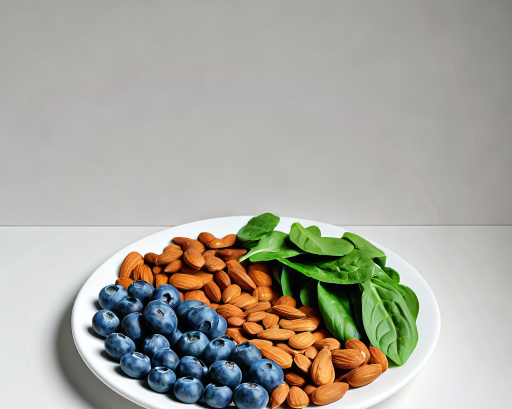
    • Blueberries: Rich in antioxidants, blueberries help combat oxidative stress and reduce inflammation. They also support brain health and may improve memory.
    • Spinach: A leafy green powerhouse, spinach is high in iron, calcium, and vitamins A and C. It supports bone health, boosts immunity, and aids in detoxification.
    • Avocado: Packed with healthy fats, avocados are excellent for heart health. They contain monounsaturated fats that lower bad cholesterol levels and improve cardiovascular function.
    • Salmon: This fatty fish is a great source of omega-3 fatty acids, which are crucial for brain development and reducing the risk of heart disease. Salmon also provides high-quality protein and vitamin D.
    • Chia Seeds: Chia seeds are a complete protein source and contain fiber, antioxidants, and omega-3 fatty acids. They can help regulate blood sugar levels and promote digestive health.

    Why Superfoods Matter

    In today’s fast-paced world, many people struggle to eat a balanced diet due to busy schedules and processed food options. Superfoods provide an easy way to ensure you’re getting the necessary nutrients without compromising on taste or convenience. Here’s why integrating these foods into your diet is so important:

    • Enhanced Nutrients: Superfoods are densely packed with nutrients that are hard to find in conventional foods. For example, one cup of blueberries contains as much vitamin C as an orange.
    • Antioxidant Protection: The antioxidants found in superfoods help neutralize free radicals, reducing oxidative stress and protecting cells from damage. This can lead to better overall health and a reduced risk of chronic diseases.
    • Improved Digestion: Many superfoods like chia seeds and spinach are rich in fiber, which supports gut health by promoting regular bowel movements and beneficial gut bacteria.
    • Weight Management: Some superfoods have been shown to aid in weight loss by increasing feelings of fullness and improving metabolic rate. For instance, studies suggest that consuming avocados can help control appetite.

    How to Incorporate Superfoods into Your Diet

    Integrating superfoods into your daily routine doesn’t have to be complicated or time-consuming. Here are some simple ways to start incorporating these powerful foods into your meals:

    Breakfast Ideas

    Start your day off right with these superfood-rich breakfast options:

    • Add blueberries to your morning oatmeal or yogurt.
    • Sprinkle chia seeds on top of smoothie bowls or granola bars.
    • Include spinach in your omelet or scrambled eggs for added nutrition.

    Lunch and Dinner Options

    Make lunch and dinner more nutritious with these suggestions:

    • Grill salmon with quinoa salad for a protein-packed meal.
    • Prepare a spinach and avocado salad with a light dressing for a refreshing lunch.
    • Swap out regular pasta for spiralized zucchini noodles topped with pesto made from fresh basil and nuts.

    Snack Time

    Keep healthy snacks handy to satisfy cravings between meals:

    • Mix almond butter with sliced bananas for a quick energy boost.
    • Enjoy a handful of raw almonds or walnuts for sustained energy and brain health.
    • Blend frozen spinach with Greek yogurt and honey for a creamy snack.

    Conclusion

    Incorporating superfoods into your diet is a smart move towards better health and well-being. From blueberries and spinach to avocados and salmon, these nutrient-dense foods offer numerous health benefits that can enhance your quality of life. By making small changes to your eating habits and including these superfoods regularly, you can enjoy improved vitality, stronger immunity, and a reduced risk of chronic diseases. Start experimenting with different recipes and preparation methods to discover how these foods can fit seamlessly into your lifestyle. Remember, small steps toward healthier eating can lead to big improvements in your overall health over time.

  • Healthy Recipes for Dinner: Delicious and Nutritious Meals to Boost Your Well-being

    Healthy Recipes for Dinner: Delicious and Nutritious Meals to Boost Your Well-being

    When it comes to dinnertime, the options can be overwhelming. Between takeout, delivery, and last-minute meal prep, finding a healthy and satisfying option can feel like a challenge. However, with a little planning and creativity, you can transform your evening meals into nutrient-packed delights that nourish both your body and soul. In this article, we’ll explore a variety of healthy recipes for dinner that are not only delicious but also designed to support your overall health and well-being.

    The Importance of Healthy Dinners

    Dinner is often considered the most important meal of the day, and for good reason. It provides the energy and nutrients needed to recover from the day’s activities and prepare for a restful night’s sleep. A balanced dinner should include a mix of protein, complex carbohydrates, healthy fats, and plenty of vitamins and minerals. By incorporating whole foods into your dinner plans, you can boost your immune system, improve digestion, and maintain stable energy levels throughout the night.

    • Protein: Helps repair and build muscle, supports hormone production, and keeps you feeling full.
    • Complex Carbs: Provide sustained energy and fiber for digestive health.
    • Healthy Fats: Crucial for hormone balance, brain function, and absorption of fat-soluble vitamins.
    • Vegetables: Rich in antioxidants, fiber, and essential nutrients that support overall health.

    Quick and Easy Healthy Dinner Ideas

    Busy schedules don’t have to mean sacrificing nutrition at dinnertime. Here are some quick and easy healthy recipes for dinner that require minimal time and effort:

    1. Grilled Salmon with Quinoa and Roasted Vegetables

    This dish combines lean protein, whole grains, and colorful vegetables for a complete meal. Grilled salmon is rich in omega-3 fatty acids, which support heart health and reduce inflammation. Pair it with quinoa, a complete protein packed with fiber and antioxidants, and roasted vegetables like bell peppers, zucchini, and broccoli for added flavor and nutrients.

    2. Turkey Lettuce Wraps

    Turkey lettuce wraps are a lighter alternative to traditional sandwiches. Use ground turkey as a lean protein source and fill leafy greens like butter lettuce or spinach with a mixture of diced tomatoes, cucumbers, and hummus for a fresh and satisfying meal. This recipe is low in calories and high in fiber, making it perfect for weight management.

    3. Chickpea Curry with Brown Rice

    Chickpea curry is a hearty and aromatic dish that’s bursting with flavor. Chickpeas are a great plant-based protein source, rich in fiber and iron. Serve them over brown rice, which is higher in fiber and nutrients compared to white rice, for a filling and nutrient-dense meal. Add spices like cumin, coriander, and turmeric to enhance flavor and provide anti-inflammatory benefits.

    Meal Prep Tips for Healthy Dinners

    Preparing healthy dinners doesn’t have to be stressful. With a few simple meal prep tips, you can streamline your cooking process and ensure you always have nutritious options on hand:

    • Batch Cooking: Cook larger quantities of ingredients on weekends and store them in airtight containers for quick reheating during the week.
    • Use Staple Ingredients: Keep pantry staples like canned beans, frozen veggies, and whole grains on hand for easy meal assembly.
    • Plan Ahead: Create a weekly meal plan and grocery list to avoid last-minute decisions and ensure you have all necessary ingredients.
    • Invest in Tools: Having quality kitchen tools like a slow cooker, food processor, and storage containers can make meal prep more efficient.

    Conclusion

    Healthy dinners are essential for maintaining a balanced diet and supporting overall health. By incorporating nutrient-dense ingredients and following simple meal prep strategies, you can enjoy delicious and satisfying meals without compromising on taste or convenience. Whether you’re looking for quick and easy options or want to experiment with new flavors, there’s no shortage of healthy recipes for dinner that will keep you energized and feeling great. Start exploring these ideas today and discover how a well-planned dinner can make a significant difference in your daily routine and long-term wellness.

  • Transform Your Health with a Clean Eating Meal Plan

    Transform Your Health with a Clean Eating Meal Plan

    In today’s fast-paced world, finding time to eat healthy can feel like an impossible task. However, adopting a clean eating meal plan isn’t just about what you eat—it’s about how you fuel your body for optimal performance and wellbeing. Whether you’re aiming to lose weight, boost energy levels, or simply improve your overall health, a structured approach to clean eating can make all the difference. This article will guide you through everything you need to know to create and stick to your own personalized clean eating meal plan.

    What is Clean Eating?

    Clean eating refers to a diet that prioritizes whole, unprocessed foods while minimizing or eliminating unhealthy additives, refined sugars, and excessive saturated fats. The core principles of clean eating include focusing on fresh produce, lean proteins, healthy fats, and balanced portions. It’s not about being restrictive but rather about making mindful choices that support your body’s natural functions.

    • Whole Foods First: Prioritize fruits, vegetables, whole grains, and lean proteins over processed alternatives.
    • Minimal Additives: Avoid artificial preservatives, colors, and flavors found in many packaged foods.
    • Portion Control: Pay attention to serving sizes to prevent overeating and maintain balance.

    Why Choose Clean Eating?

    The benefits of clean eating extend far beyond just weight loss. Here are some key reasons why incorporating this lifestyle into your routine can have a profound impact on your health:

    • Increased Energy Levels: By eliminating processed foods and sugary snacks, you’ll experience sustained energy throughout the day.
    • Improved Digestive Health: Whole foods are easier to digest, reducing bloating and digestive discomfort.
    • Enhanced Mental Clarity: A cleaner diet often correlates with better mood regulation and reduced brain fog.
    • Long-Term Weight Management: Clean eating promotes sustainable habits that lead to healthier weight management.

    Getting Started with Your Clean Eating Meal Plan

    Creating a successful clean eating meal plan requires planning, preparation, and patience. Here’s a step-by-step guide to help you get started:

  • Define Your Goals: Are you looking to lose weight, gain muscle, or simply improve your overall health? Clear objectives will guide your meal choices.
  • Assess Your Diet: Take stock of your current eating habits to identify areas where you can make improvements.
  • Plan Your Meals: Develop a weekly menu that includes a variety of whole foods while ensuring nutritional balance.
  • Prep Ahead: Meal prepping can save time and reduce the temptation to reach for unhealthy options.
  • Stay Consistent: Incorporate small, manageable changes into your routine rather than trying to overhaul your diet overnight.
  • Sample Clean Eating Meal Plan

    Here’s a sample 7-day meal plan to give you an idea of how to structure your meals around clean eating principles. Remember to adjust portions based on your activity level and personal preferences.

    Day
    Breakfast
    Lunch
    Dinner
    Snack

    Monday
    Greek yogurt with berries and almonds
    Avocado toast with poached eggs
    Grilled chicken salad with quinoa
    Apple slices with peanut butter

    Tuesday
    Oatmeal with chia seeds and banana
    Turkey wrap with spinach and hummus
    Lemon herb fish with roasted veggies
    Carrot sticks with guacamole

    Wednesday
    Smoothie bowl (spinach, banana, almond milk)
    Quinoa bowl with chickpeas and feta
    Vegetarian lasagna made with whole wheat noodles
    Mixed nuts and dried fruit

    Thursday
    Egg white omelet with tomatoes
    Brown rice bowl with grilled shrimp
    Stuffed bell peppers with quinoa
    Cottage cheese with cucumber slices

    Friday
    Acai bowl with granola and coconut
    Lentil soup with whole grain bread
    Baked salmon with asparagus
    Chocolate chip oatmeal cookie (homemade)

    Saturday
    Berry smoothie with flaxseeds
    Grilled vegetable platter
    Beef stir-fry with brown rice
    Hard-boiled egg with celery sticks

    Sunday
    Chia pudding with coconut milk
    Eggplant parmesan (baked version)
    Zucchini noodles with pesto sauce
    Greek yogurt with honey drizzle

    Tips for Success with Clean Eating

    Sticking to a clean eating meal plan can be challenging at first, but these tips will help you stay on track:

    Adopting a clean eating meal plan is a powerful way to nurture your body and achieve lasting health benefits. By focusing on whole foods, mindful portions, and balanced nutrition, you’ll not only feel more energized but also empowered to make positive lifestyle changes. Remember, the journey to cleaner eating is about progress, not perfection. Start small, stay consistent, and watch as your body transforms in ways you never thought possible.