Blog

  • How to Remove Water Stains from Wood: The Ultimate Guide to Restoring Your Furniture’s Beauty

    How to Remove Water Stains from Wood: The Ultimate Guide to Restoring Your Furniture’s Beauty

    There is nothing quite as disheartening as hosting a wonderful dinner party, only to discover the next morning that a guest has left a ghostly white ring on your prized mahogany dining table. Water stains on wood are an incredibly common nuisance, turning cherished heirlooms and expensive furniture into eyesores seemingly overnight. Whether it is a sweating cold glass of lemonade in the summer or a forgotten hot mug of tea in the winter, moisture is the natural enemy of wood finishes. However, before you resign yourself to living with these blemishes or spending a fortune on professional refinishing, take a deep breath. In many cases, you can remove water stains from wood effectively using simple household ingredients and a bit of patience.

    Wood is a porous, organic material that breathes and reacts to its environment. When water penetrates the protective top layer—be it varnish, lacquer, or wax—it gets trapped, creating that unsightly milky-white mark known as a “blush” or “white ring.” In more severe cases, water can penetrate deep into the wood fibers themselves, causing a dark, black stain that indicates actual wood damage. The good news is that most surface-level white stains are merely moisture trapped in the finish, meaning the wood itself is unharmed. With the right techniques, you can draw that moisture out and restore the original luster of your furniture. This comprehensive guide will walk you through the science of wood stains, differentiate between the types of damage, and provide you with a step-by-step battle plan to reclaim your furniture.

    Having spent a decade observing the pitfalls of DIY furniture care, I can attest that the secret to success lies in patience and identification. Rushing the process or using the wrong method for your specific type of stain can lead to irreparable damage, such as stripping the finish or clouding the wood further. By understanding the nature of the stain and the finish you are working with, you can select the gentlest yet most effective method. From the heat of an iron to the oiliness of mayonnaise, we will explore a myriad of solutions that can save your wood surfaces and keep them looking pristine for years to come.

    Understanding the Enemy: Types of Water Stains

    Before you grab a cleaning rag and start scrubbing, it is crucial to diagnose exactly what kind of water stain you are dealing with. Not all stains are created equal, and treating a deep black stain with a method designed for a surface white ring will yield nothing but frustration. Generally, water stains on wood fall into two distinct categories: white stains and black stains. Understanding the difference between these two is the first step in successful restoration.

    White Rings and Clouds (Surface Stains)

    White stains are the most common type of water damage and are often referred to as “blush.” These occur when moisture becomes trapped within the coating of the wood finish—such as lacquer, shellac, or varnish—but has not yet penetrated into the actual wood fibers. The moisture refracts the light, creating a milky or cloudy appearance. You might see these as perfect rings under a coaster or as a larger, irregular cloud where a spill occurred.

    The defining characteristic of a white stain is that it sits on top of the wood. If you run your fingernail gently across the surface, you generally won’t feel a depression or indentation. This is excellent news because it means the structural integrity of the wood is intact; you

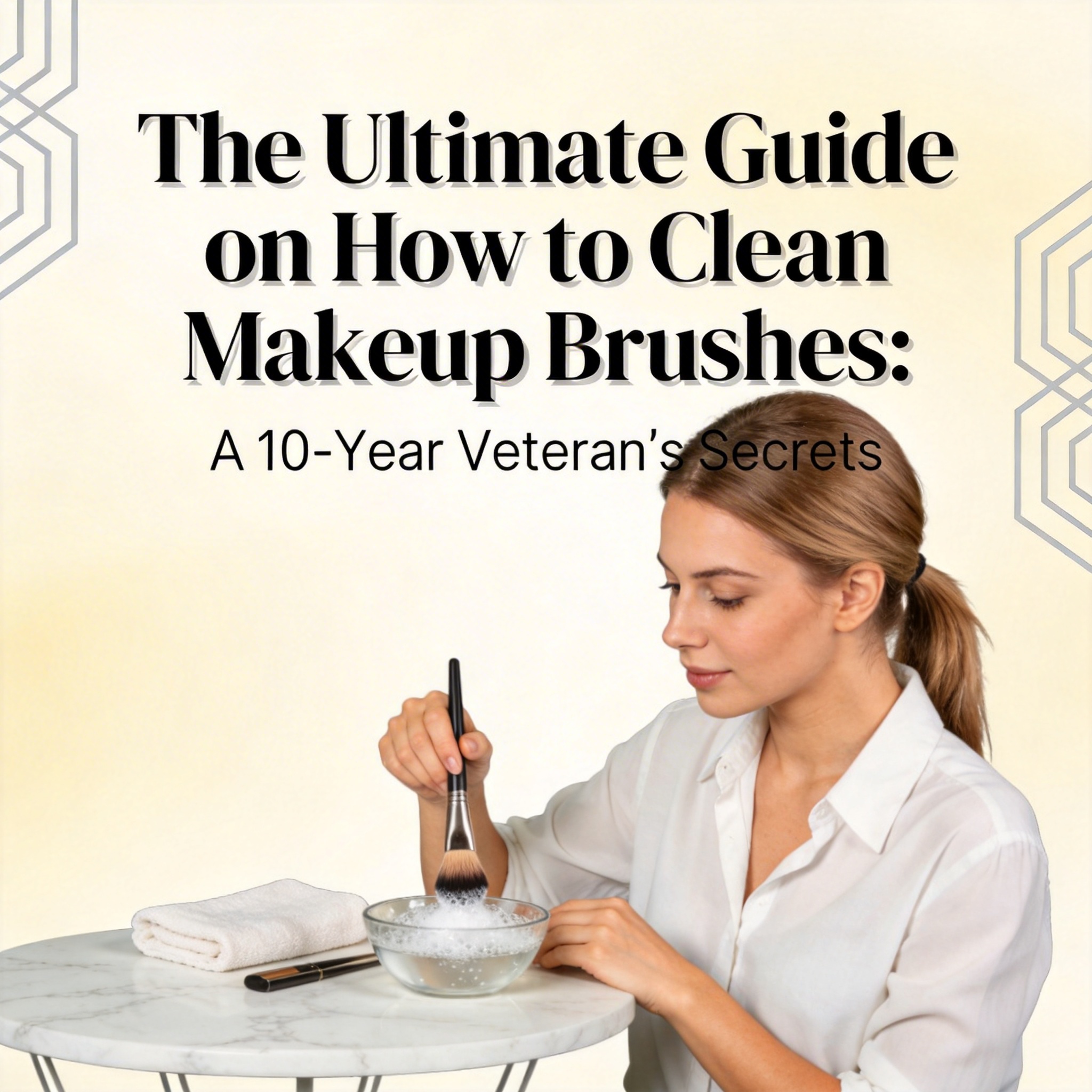
  • The Ultimate Guide on How to Clean Makeup Brushes: A 10-Year Veteran’s Secrets

    The Ultimate Guide on How to Clean Makeup Brushes: A 10-Year Veteran’s Secrets

    If you are anything like the average makeup enthusiast, your makeup brushes are likely the workhorses of your beauty routine. They blend, buff, define, and perfect your look every single day. However, after a decade in the beauty industry, writing for top-tier blogs and consulting with professional makeup artists, I can tell you with certainty that the most common mistake most people make is neglecting their tools. Learning how to clean makeup brushes properly is not just a chore; it is a fundamental skill that separates a flawless application from a patchy, breakout-prone disaster.

    Think about it for a moment. You use these tools on your face daily—sometimes multiple times a day. They pick up oil, dead skin cells, product residue, and environmental pollutants. If left unchecked, they become a breeding ground for bacteria and dust mites. Dirty brushes can lead to clogged pores, acne breakouts, and even staph infections. Furthermore, a dirty brush simply cannot perform its job correctly. Old, dried product stuck in the bristles changes the texture of the brush, leading to streaky foundation and harsh eyeshadow application.

    In this comprehensive guide, I am going to walk you through everything you need to know about maintaining your toolkit. From the quick daily fixes to the deep cleaning rituals that restore your brushes to their former glory, we will cover it all. Whether you own expensive natural hair brushes or affordable synthetic ones, this guide will ensure they last for years to come.

    Why Cleaning Your Makeup Brushes is Non-Negotiable

    Before we dive into the “how,” we need to fully understand the “why.” As someone who has seen the inside of countless makeup kits, I can assure you that hygiene is paramount. When you apply makeup, you are often dampening the skin with setting sprays or moisturizers, creating a moist environment on the brush head. Once you cap that product into the bristles and let it sit, bacteria thrive.

    The Health Implications

    The most immediate risk of dirty brushes is skin irritation. If you are prone to acne or rosacea, using dirty brushes is akin to painting your face with a bacteria-laden canvas. Every time you drag a dirty brush across a pimple or open pore, you reintroduce bacteria, causing the cycle of breakouts to continue indefinitely. Furthermore, dirty eye brushes can cause conjunctivitis (pink eye) or styes, which are not only painful but uns

  • The Ultimate Guide to Homemade Window Cleaning Solution Recipes

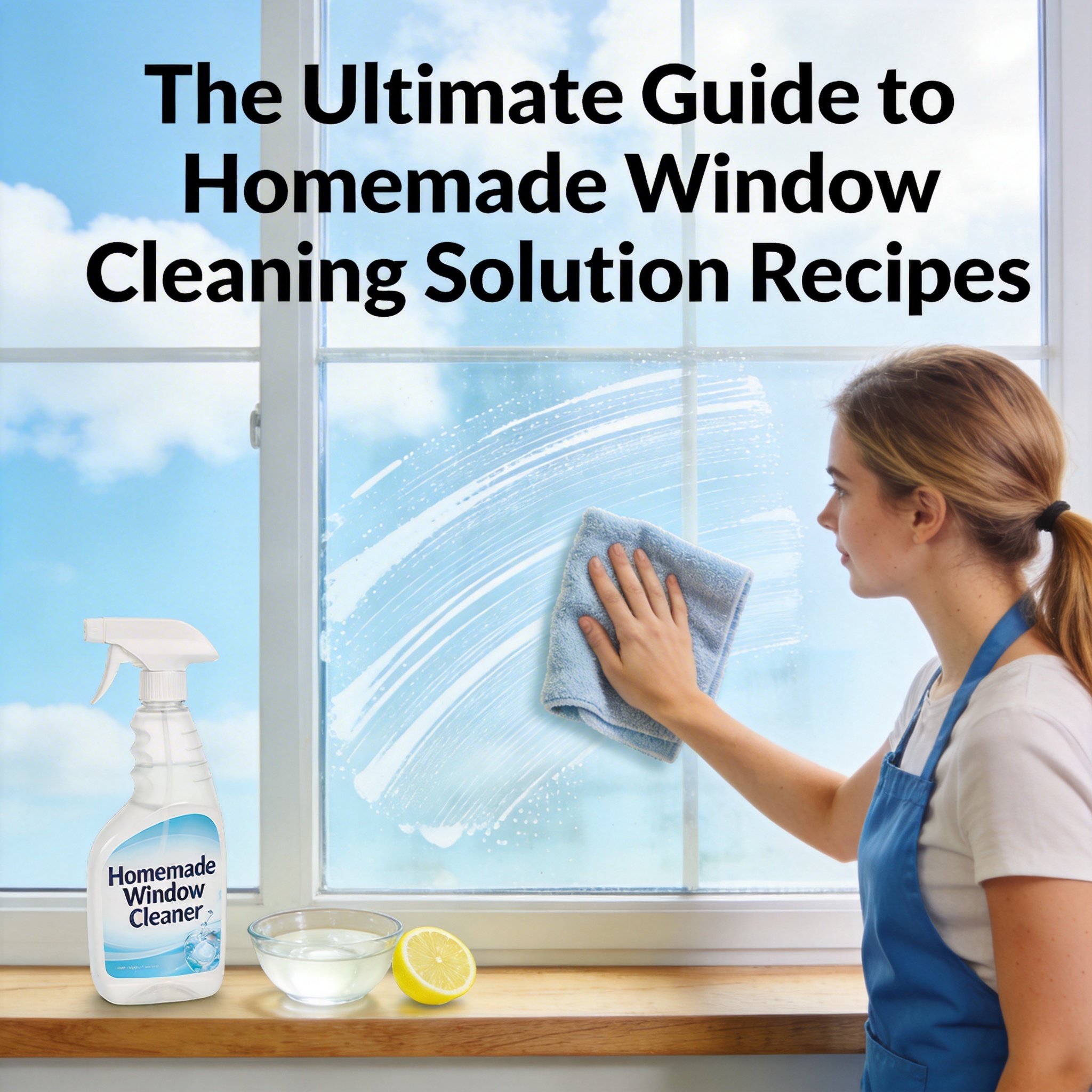
    The Ultimate Guide to Homemade Window Cleaning Solution Recipes

    As a professional blogger with a decade of experience writing about home maintenance and DIY solutions, I’ve discovered that one of the most satisfying household tasks is achieving perfectly clean, streak-free windows. The secret? It’s not always about expensive commercial products. In fact, some of the most effective window cleaning solutions can be made right in your kitchen with ingredients you probably already have. This comprehensive guide will walk you through the best homemade window cleaning solution recipes, their benefits, and professional techniques that will leave your windows sparkling without breaking the bank or harming the environment.

    Why Choose Homemade Window Cleaning Solutions?

    Before diving into recipes, it’s worth understanding why homemade solutions have gained such popularity among homeowners and cleaning professionals alike. Commercial window cleaners often contain harsh chemicals like ammonia, which can cause respiratory irritation, skin irritation, and may damage certain window frames or finishes over time. In contrast, homemade solutions are typically gentler, safer for families with children or pets, and more environmentally friendly.

    Additionally, homemade solutions are incredibly cost-effective. A single bottle of commercial window cleaner can cost anywhere from $3 to $8, while the ingredients for homemade solutions cost pennies per use. For example, a gallon of white vinegar costs about $3-4 and can make dozens of cleaning solutions. Beyond the economic and health benefits, many DIY enthusiasts find satisfaction in creating effective cleaning products from natural ingredients, reducing plastic waste from disposable cleaner bottles, and customizing solutions to their specific needs.

    Essential Ingredients for Effective Window Cleaning Solutions

    Creating effective window cleaning solutions requires understanding the properties of common household ingredients. The most frequently used components in homemade recipes include:

    • White Vinegar: An acid that cuts through grease, mineral deposits, and hard water stains
    • Dish Soap: Breaks down grime and provides gentle cleaning action without leaving residue
    • Rubbing Alcohol: Evaporates quickly, preventing streaks and disinfecting surfaces
    • Ammonia: Powerful cleaner for tough grime (use with caution and proper ventilation)
    • Lemon Juice: Natural acid that cuts grease and leaves a fresh scent
    • Cornstarch: Gentle abrasive for stubborn spots without scratching

    Understanding the Science Behind Window Cleaning

    To truly master window cleaning, it’s helpful to understand the science behind how these ingredients work. Windows get dirty from a combination of environmental factors including dust, pollen, water spots, and oily residues. The key to effective cleaning is not just removing visible dirt but also preventing streaks and ensuring the surface dries evenly.

    Vinegar’s acidity works by breaking down mineral deposits and hard water stains that commonly accumulate on windows. The acetic acid in vinegar reacts with calcium and magnesium deposits, dissolving them for easy removal. Meanwhile, dish soap contains surfactants that surround and lift dirt particles, allowing them to be rinsed away. Alcohol’s fast evaporation rate makes it excellent for preventing streaks, as it doesn’t leave behind water droplets as it dries.

    Top 5 Homemade Window Cleaning Solution Recipes

    1. The Classic Vinegar Solution

    This is perhaps the most well-known and effective homemade window cleaner, praised for its simplicity and performance.

    Ingredients:

    • 2 cups water
    • ½ cup white vinegar
    • Optional: 10-15 drops of essential oil (like lavender or citrus) for scent

    Instructions:

    • Combine water and vinegar in a spray bottle
    • If using, add essential oil and shake gently to mix
    • Apply to windows and wipe with a microfiber cloth or newspaper

    This solution works exceptionally well on most window types and is particularly effective against hard water stains. The vinegar smell dissipates quickly as it dries, and the optional essential oils can leave a pleasant fragrance. For extremely stubborn mineral deposits, you can increase the vinegar ratio to ¾ cup, though this may require more thorough rinsing to prevent potential streaking on sensitive glass.

    2. The Dish Soap and Water Powerhouse

    When dealing with oily fingerprints, kitchen grease, or general grime, a simple dish soap solution can be surprisingly effective.

    Ingredients:

    • 2 cups water
    • ¼ cup gentle dish soap (avoid soaps with added bleach or degreasers)

    Instructions:

    • Fill spray bottle with water
    • Add dish soap (too much can leave residue)
    • Gently shake to mix without creating excessive suds
    • Spray on windows and wipe clean with a microfiber cloth

    This solution is particularly effective for kitchen windows or those with heavy grease buildup. The key is using the right amount of dish soap—too little won’t effectively cut grease, while too much can leave a soapy residue. For best results, follow up with a quick wipe using a solution of 1 part vinegar to 10 parts water to remove any soap film and ensure streak-free results.

    3. The Fast-Drying Alcohol Solution

    For professional-level results with minimal streaking, an alcohol-based solution is hard to beat, especially in humid conditions.

    Ingredients:

    • 1 cup water
    • 1 cup rubbing alcohol (70% isopropyl alcohol)
    • ½ teaspoon dish soap

    Instructions:

    • Combine all ingredients in a spray bottle
    • Gently shake to mix
    • Apply to windows and wipe immediately with a lint-free cloth

    The alcohol in this solution evaporates very quickly, which is why it’s so effective at preventing streaks. It also has disinfectant properties, making it an excellent choice for bathroom windows or areas where hygiene is a concern. The dish soap helps break down stubborn grime while the alcohol ensures rapid drying. This solution works particularly well on tinted windows, as it won’t damage the tint like ammonia-based cleaners might.

    4. The Heavy-Duty Ammonia Solution

    Warning: This solution is powerful but should be used with caution. Always ensure proper ventilation and wear gloves when handling ammonia.

    Ingredients:

    • 1 cup water
    • 1 cup ammonia
    • ½ cup rubbing alcohol

    Instructions:

    • Work in a well-ventilated area
    • Combine ingredients in a spray bottle
    • Apply to heavily soiled windows
    • Allow to sit for 1-2 minutes on stubborn stains
    • Wipe clean with a microfiber cloth

    This solution is reserved for extremely dirty windows or situations where other methods have failed. Ammonia is particularly effective at cutting through grease and grime that has built up over time. However, it’s important to note that ammonia can damage certain window frames and is not recommended for tinted

  • The Ultimate Guide: How to Clean Grill Grates Easy and Keep Them Pristine All Season Long

    The Ultimate Guide: How to Clean Grill Grates Easy and Keep Them Pristine All Season Long

    There is nothing quite like the sizzle of a perfectly marinated steak hitting a hot grill on a sunny afternoon. The aroma of searing meat and caramelized vegetables is a hallmark of summer, backyard gatherings, and culinary joy. However, the aftermath of that delightful feast—the grimy, grease-caked grill grates—can quickly kill the mood. For many outdoor cooking enthusiasts, the dread of scrubbing last week’s barbecue residue is enough to put the grill cover back on and order pizza. But what if we told you that maintaining a sparkling clean grill doesn’t have to be an hours-long ordeal involving back-breaking labor and harsh chemicals?

    In this comprehensive guide, we are going to explore the most effective, time-saving methods to clean grill grates easy. Whether you are dealing with cast iron, stainless steel, or porcelain-coated grates, these techniques will restore your cooking surface to its former glory without stripping away the essential seasoning that makes your food taste so good. We will delve into the science of grease, the power of heat, and a few secret household ingredients that act as magic erasers for carbon buildup. By the end of this article, you will have a toolkit of strategies that make grill maintenance a breeze, ensuring that your next cookout starts on a clean, healthy slate.

    Before we dive into the specific cleaning methods, it is crucial to understand why keeping your grates clean is about more than just aesthetics. While a shiny grill looks impressive, the functional benefits of regular maintenance are profound. Dirty grates can harbor bacteria, cause inconsistent cooking temperatures, and, worst of all, impart a stale, off-flavor to your carefully prepared meals. Furthermore, accumulated

  • The Ultimate Guide on How to Clean Patio Furniture: Revitalize Your Outdoor Sanctuary

    The Ultimate Guide on How to Clean Patio Furniture: Revitalize Your Outdoor Sanctuary

    There is nothing quite like stepping out onto your patio or deck on a sunny morning, coffee in hand, ready to enjoy the fresh air. However, that moment of bliss can be quickly shattered by the sight of grimy patio furniture. Over the months, your outdoor chairs, tables, and sofas become unwitting victims of the elements. They endure relentless UV rays, torrential downpours, falling leaves, pollen showers, and perhaps the occasional visit from neighborhood wildlife. Before you know it, that once-pristine dining set is covered in a film of dirt, mold, or mildew, making it far less inviting.

    Learning how to clean patio furniture is not just about aesthetics; it is about preservation and longevity. Dirt and grime are not merely unsightly; they can degrade materials over time, causing fabrics to rot, metals to rust, and plastics to become brittle. As someone who has spent a decade maintaining outdoor spaces, I can assure you that a regular cleaning routine is the single most effective way to protect your investment. You do not need to be a professional cleaner or own expensive industrial equipment to achieve stellar results. With the right knowledge, a bit of elbow grease, and some household items, you can restore your outdoor oasis to its former glory.

    This comprehensive guide is designed to walk you through the nuances of cleaning every type of outdoor material. Whether your furniture is crafted from delicate wicker, heavy-duty cast aluminum, plush Sunbrella fabric, or natural teak wood, we have got you covered. We will explore the preparation required, the specific cleaning solutions that work best for different surfaces, and the maintenance tips that will keep your furniture looking brand new for years to come. Let’s roll up our sleeves and get started on transforming your patio back into the retreat it was meant to be.

    Preparation: Gathering Your Arsenal

    Before you dive into the scrubbing process, it is crucial to prepare properly. Jumping in without a plan can lead to damaged furniture or ineffective cleaning. Preparation involves two main steps: gathering the right tools and choosing the right time.

    Essential Cleaning Tools

    Having your tools ready at hand will streamline the process and prevent frustration. While specific materials require

  • The Ultimate Guide to Clean Car Interior at Home: Professional Results on a Budget

    The Ultimate Guide to Clean Car Interior at Home: Professional Results on a Budget

    There is nothing quite like the feeling of sliding into the driver’s seat of a car that looks, smells, and feels brand new. However, maintaining that pristine showroom condition can be a challenge, especially with our busy lives. Over time, dust accumulates, coffee spills happen, and crumbs find their way into the deepest crevices of the upholstery. While professional detailing services can cost hundreds of dollars, learning how to clean car interior at home is a skill that is not only cost-effective but also surprisingly satisfying.

    With ten years of experience in automotive care, I have learned that a deep clean does not require industrial-grade equipment or harsh chemicals. In fact, with the right techniques, a bit of patience, and common household items, you can achieve results that rival a professional detailer. This comprehensive guide will walk you through every step of the process, from gathering the essential tools to tackling stubborn stains and conditioning leather. Whether you are preparing your vehicle for a sale, simply trying to maintain its value, or just want a more pleasant driving environment, this guide is your roadmap to a spotless vehicle.

    Why Cleaning Your Car’s Interior Matters

    Before we dive into the “how-to,” it is important to understand the “why.” Many car owners focus heavily on the exterior—washing, waxing, and polishing the paint—while neglecting the interior where they actually spend their time. A clean interior is not just about aesthetics; it is about health, safety, and vehicle longevity.

    Dust, pollen, and pet dander can accumulate in your air vents and upholstery, negatively impacting the air quality inside the cabin. For those with allergies or asthma, this can turn a daily commute into a health hazard. Furthermore, a cluttered and dirty dashboard can reflect sunlight, creating glare that compromises visibility. Finally, regular cleaning prevents the degradation of materials. UV rays can crack and fade dashboards, while spilled sodas can corrode electronic components or eat away at upholstery stitching. By committing to a routine to clean car interior at home, you are essentially investing in the lifespan of your vehicle.

    Phase 1: Gathering Your Arsenal

    The key to efficiency is preparation. One of the biggest mistakes people make is starting the cleaning process only to realize they are missing a crucial tool halfway through. To avoid this, gather your “cleaning kit” before you touch the car. You likely have many of these items around your house already.

    Essential Tools and Supplies

    • Heavy-duty vacuum cleaner: A shop vac is ideal because of its powerful suction, but a standard household vacuum with a hose attachment and crevice tool will work fine.
    • Microfiber towels: These are non-abrasive and trap dust effectively. You will need several—designate specific colors for different areas (e.g., blue for glass, yellow for dashboards) to avoid cross-contamination.
    • Soft-bristled brushes: A paintbrush or a dedicated detailing brush is perfect for dusting air vents and buttons.
    • Stiff-bristled brush: Useful for scrubbing floor mats and carpet stains.
    • All-purpose cleaner: You can buy a dedicated automotive interior cleaner, or make a DIY solution using a mix of mild dish soap and warm water.
    • Glass cleaner: An ammonia-free formula is best to prevent damaging dashboard
  • The Ultimate Guide to Removing Odors from Carpet: Restore Freshness to Your Home

    The Ultimate Guide to Removing Odors from Carpet: Restore Freshness to Your Home


    There is nothing quite like the feeling of sinking your toes into a soft, clean carpet. It adds warmth, comfort, and a touch of luxury to any living space. However, carpets are also notorious for acting as giant filters, trapping dust, dirt, allergens, and, most frustratingly, odors. Over time, even the most well-maintained carpets can develop lingering smells caused by pets, spills, smoke, or simply everyday foot traffic. If you have found yourself holding your breath when walking into a room or avoiding sitting on the floor, you are not alone. Learning how to effectively remove odors from carpet is essential for maintaining a healthy and inviting home environment.

    Unlike hard floors, which can be wiped clean in seconds, carpet fibers are porous and often backed by layers of padding that can trap moisture and bacteria. This makes odor removal a bit more complex than a simple surface clean. An unpleasant smell is usually an indication that something is lurking deep within the fibers or the underlay. Whether it is the distinct scent of wet dog, the sharp tang of accidental pet urine, or a musty mildew smell, these issues require targeted strategies. In this comprehensive guide, we will explore the science behind carpet odors, preventative measures you can take, and a wide array of DIY and professional solutions to help you banish bad smells for good.

    Understanding the Source of Carpet Odors

    Before you can effectively treat a smell, you must understand its origin. Carpet odors generally fall into two categories: surface-level odors and deep-set odors. Surface-level odors are often caused by recent spills or tracked-in dirt and can usually be resolved with a thorough vacuuming or a spot clean. However, deep-set odors are more insidious. They occur when liquids or contaminants seep past the carpet fibers and penetrate the backing and the padding underneath. This is particularly common with pet urine. Once the liquid reaches the padding, it creates a reservoir of odor that releases smells back into the room, especially when the humidity rises or the area becomes damp.

    Common Culprits Behind Lingering Smells

    Identifying the specific type of odor you are dealing with can help determine the best course of action. Here are the most common sources of carpet smells:

    • Pet Accidents: Urine, feces, and vomit are the leading causes of persistent carpet odors. Pet urine contains uric acid, which does not break down easily with standard cleaners. Instead, it crystallizes and reactivates when moist, releasing the characteristic ammonia smell.
    • Food and Drink Spills: Spilled milk, coffee, or forgotten food crumbs can rot and sour over time. Even if the stain is gone, the bacteria left behind can continue to produce a foul odor.
    • Moisture and Mildew: Carpets that have been exposed to flooding, leaks, or high humidity are prone to mold and mildew growth. This results in a musty, earthy smell that can be hazardous to respiratory health.
    • Cigarette Smoke: Smoke particles are microscopic and can settle deep into carpet fibers. They are notoriously difficult to remove because the tar and nicotine cling to the fibers and continue to off-gas for years.
    • General “Dirty Sock” Syndrome: This is a combination of body oils, skin cells, and outdoor pollutants tracked in by shoes and feet. It creates a general stale atmosphere that makes a home feel unclean.

    Preparation: The First Step to Odor Removal

    Before applying any cleaning solutions or deodorizers, proper preparation is crucial. Jumping straight

  • The Ultimate Guide to Fridge Organization and Cleaning: A Step-by-Step Handbook for a Fresh Kitchen

    The Ultimate Guide to Fridge Organization and Cleaning: A Step-by-Step Handbook for a Fresh Kitchen

    There is a specific kind of dread that comes with opening the refrigerator door only to be greeted by a chaotic jumble of Tupperware, wilted spinach, and a jar of unknown origin lurking in the back corner. We have all been there. The refrigerator is the heart of the kitchen, tasked with keeping our food fresh and our families nourished, yet it is often the most neglected area when it comes to home organization. Over a decade of writing about home management, I have learned that a disorganized fridge is not just an aesthetic issue; it is a financial drain and a health hazard. When you cannot see what you have, you buy duplicates, and when food is hidden away, it spoils before you can eat it.

    But achieving a pristine, Instagram-worthy refrigerator is not about buying expensive acrylic bins or labeling every single item with a chalkboard marker. It is about understanding the science of food storage, establishing logical zones, and maintaining a system that works for your specific lifestyle. Whether you are a meal-prep enthusiast, a busy parent, or someone who orders takeout more often than not, this comprehensive guide to fridge organization and cleaning will transform your appliance from a stress-inducing cavern into a model of efficiency. We will dive deep into the nitty-gritty of scrubbing shelves, the psychology of placement, and the habits that will keep your fridge sparkling long after the deep clean is finished.

    Why Fridge Organization Matters More Than You Think

    Before we dive into the scrubbing bubbles and bins, it is important to understand the “why” behind this effort. A clean fridge is not just about pleasing your inner neat freak; it has tangible benefits for your wallet, your health, and your time.

    Reducing Food Waste and Saving Money

    According to environmental protection agencies worldwide, a staggering amount of household food waste ends up in landfills

  • The Ultimate Guide to Descaling Your Kettle: Restore Efficiency and Extend Lifespan

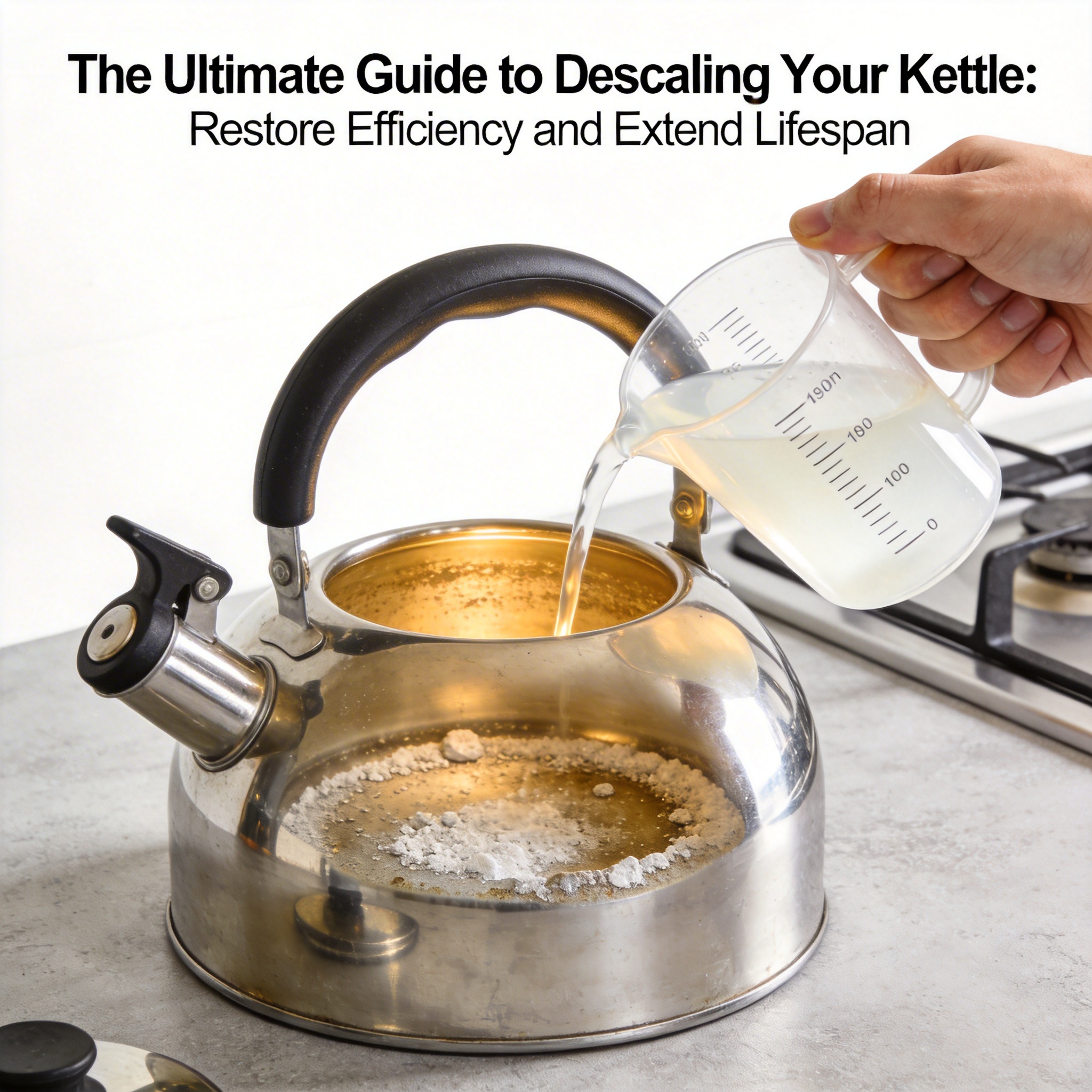
    The Ultimate Guide to Descaling Your Kettle: Restore Efficiency and Extend Lifespan

    Over time, the kettle that delivers your morning cup of tea or coffee can develop an unwelcome white or chalky buildup inside. This stubborn residue, known as limescale, is more than just an eyesore—it can significantly impact your kettle’s performance, the taste of your beverages, and even its longevity. Whether you’re a tea connoisseur, a coffee enthusiast, or simply someone who relies on their kettle for daily hot water, understanding how to properly descale this essential kitchen appliance is crucial. In this comprehensive guide, we’ll explore everything you need to know about identifying limescale, choosing the right descaling method, step-by-step procedures, and prevention techniques to keep your kettle running like new for years to come.

    Understanding Limescale: The Silent Enemy of Your Kettle

    Limescale is a hard, chalky deposit primarily composed of calcium carbonate that forms when hard water is heated. When water containing high mineral content is boiled, the minerals are left behind as the water evaporates, gradually building up on the heating element and inner surfaces of your kettle. This natural process is particularly prevalent in areas with hard water, which contains higher concentrations of dissolved minerals like calcium and magnesium.

    The formation of limescale isn’t just a cosmetic issue—it has several practical consequences that affect both your kettle and your daily routine. First and foremost, limescale acts as an insulator between the heating element and the water, forcing your kettle to work harder and use more energy to boil water. This inefficiency can lead to increased electricity bills and a shorter lifespan for your appliance. Additionally, the buildup can cause uneven heating, resulting in hot spots that may damage the kettle’s interior over time. Perhaps most importantly, limescale can affect the taste of your hot beverages, introducing a metallic or bitter flavor that can ruin your carefully brewed tea or coffee.

    Recognizing the Signs: When Your Kettle Needs Attention

    Before diving into the descaling process, it’s essential to recognize when your kettle needs attention. Identifying the early signs of limescale buildup can help you address the issue before it becomes severe, ensuring optimal performance and extending the life of your appliance.

    Visual Indicators

    The most obvious sign of limescale is visible buildup on the interior surfaces of your kettle. Look for white, chalky deposits on the heating element, the bottom of the kettle, and potentially on the spout. In advanced cases, you might notice thick, crusty layers that resemble coral formations. Another visual cue is the presence of floating particles in your water when boiling, which are small pieces of dislodged limescale.

    Performance Issues

    As limescale accumulates, you’ll likely notice several performance-related symptoms. Your kettle may take longer to boil water than it used to, or it might make unusual gurgling or cracking sounds during operation. You might also observe that the kettle automatically shuts off before the water reaches a full boil, or that it fails to turn off at all—both indicators that the limescale is interfering with the temperature sensor. In severe cases, the kettle may struggle to boil water completely, no matter how long it’s left on.

    Taste and Odor Changes

    Limescale can significantly impact the quality of your hot beverages. If your tea or coffee tastes metallic, bitter, or unusually flat, it could be due to mineral deposits leaching into your water. Similarly, you might notice a strange odor when boiling water, especially if the limescale buildup has been present for an extended period. Some people also report that beverages made with water from a scaled kettle have a slightly cloudy appearance, which can be off-putting.

    Descaling Methods: Choosing the Right Approach

    When it comes to descaling your kettle, you have several options ranging from commercial products to natural household remedies. Each method has its advantages and considerations, so it’s important to choose one that aligns with your preferences, budget, and the severity of the limescale buildup.

    Commercial Descalers

    Commercial descaling solutions are specifically formulated to break down mineral deposits and are often the most effective option for severe limescale buildup. These products typically contain strong acids like citric acid, phosphoric acid, or sulfamic acid that dissolve calcium carbonate quickly and efficiently. They come in various forms including liquids, powders, and tablets, with most designed specifically for kettles and coffee machines.

    The advantages of commercial descalers include their potency, ease of use, and consistent results. They’re also typically fast-acting, requiring minimal soaking time compared to natural remedies. However, they contain chemicals that may raise environmental concerns, and some people prefer to avoid introducing artificial substances into their kitchen appliances. Additionally, commercial descalers can be more expensive than natural alternatives and may require thorough rinsing to ensure no residue remains.

    Natural Home Remedies

    For those who prefer a more natural approach, several household items can effectively descale kettles with minimal environmental impact. The most popular natural descaling agents include:

    • White vinegar: An acidic household staple that effectively breaks down limescale
    • Lemon juice: Contains citric acid that dissolves mineral deposits
    • Baking soda: A mild abrasive that helps scrub away buildup
    • Citric acid powder: A food-grade acid available at grocery stores

    Natural remedies are generally safer for the environment, more budget-friendly, and already found in most kitchens. They’re also ideal for regular maintenance descaling rather than severe buildup. However, they may require longer soaking times and more elbow grease compared to commercial products. Some natural remedies, particularly vinegar, can leave a lingering odor that requires thorough rinsing, and in very hard water areas, they may be less effective against heavy mineral deposits.

    Specialty Kettle Descalers

    Some manufacturers produce descaling products specifically designed for their kettle models. These specialty descalers often come with detailed instructions tailored to the particular design and materials of the kettle. They can be an excellent choice if you’re concerned about compatibility with your specific appliance, especially if it has special coatings or materials that might be sensitive to certain acids.

    While these products can be more expensive and may require ordering directly from the manufacturer or authorized retailers, they offer peace of mind knowing you’re using a product tested and recommended for your exact model. They often come in pre-measured doses, reducing the risk of using too much or too little descaling solution.

    Step-by-Step Descaling Guide

    Regardless of which descaling method you choose, the process generally follows a similar sequence of steps. This detailed guide will walk you through the complete descaling process, from preparation to final rinsing, ensuring you achieve the best results while protecting your kettle.

    Preparation: Getting Ready to Descale

    Before you begin descaling your kettle, proper preparation is essential for safety and effectiveness. First, unplug your electric kettle and allow it to cool completely if it has been recently used. Remove any detachable parts, such as the lid, filter, or measuring cup, if applicable. Empty any remaining
  • The Ultimate Guide on How to Clean a Dish Sponge: Hygiene Hacks for a Germ-Free Kitchen

    The Ultimate Guide on How to Clean a Dish Sponge: Hygiene Hacks for a Germ-Free Kitchen

    When you think about the dirtiest spots in your kitchen, your mind likely wanders to the trash can, the floor around the trash can, or perhaps the inside of the microwave. However, scientific research consistently points to a far more surprising culprit lurking right next to your faucet: the humble dish sponge. This ubiquitous tool, designed to help us clean, is often a breeding ground for billions of bacteria, mold, and yeast. Learning how to properly clean a dish sponge is not just about making it smell better; it is about protecting the health of your entire household. In this comprehensive guide, we will dive deep into the science of sponge hygiene, explore the most effective cleaning methods, and help you establish habits that keep your kitchen sparkling and safe.

    Why Is the Kitchen Sponge a Bacterial Hotbed?

    Before we tackle the “how,” it is essential to understand the “why.” Why is the dish sponge such a notorious magnet for microbes? The answer lies in the very structure and function of the sponge. A sponge is designed to be highly absorbent and porous, capable of holding water and soap to help you scrub away grease and food particles. Unfortunately, these exact characteristics create the perfect storm for bacterial growth.

    Bacteria, like all living things, require three main elements to thrive: moisture, nutrients, and warmth. A wet, used sponge provides all three in abundance. When you wash your dishes, food particles—meat juices, dairy residues, and vegetable skins—get trapped in the nooks and crannies of the sponge’s porous material. These particles serve as a nutrient-rich feast for bacteria. Furthermore, the sponge is usually left in a damp, warm environment near the sink, allowing bacteria to reproduce at an exponential rate. Studies have shown that a single square inch of a used kitchen sponge can harbor more bacteria than there are people on Earth. While many of these bacteria are harmless, others, such as Salmonella, E. coli, and Staphylococcus, can cause serious illness.

    The Risks of a Dirty Sponge

    Using a contaminated sponge to wipe your counters